How to Open a Locked Apartment Door Safely
By Keyclinic · · Updated
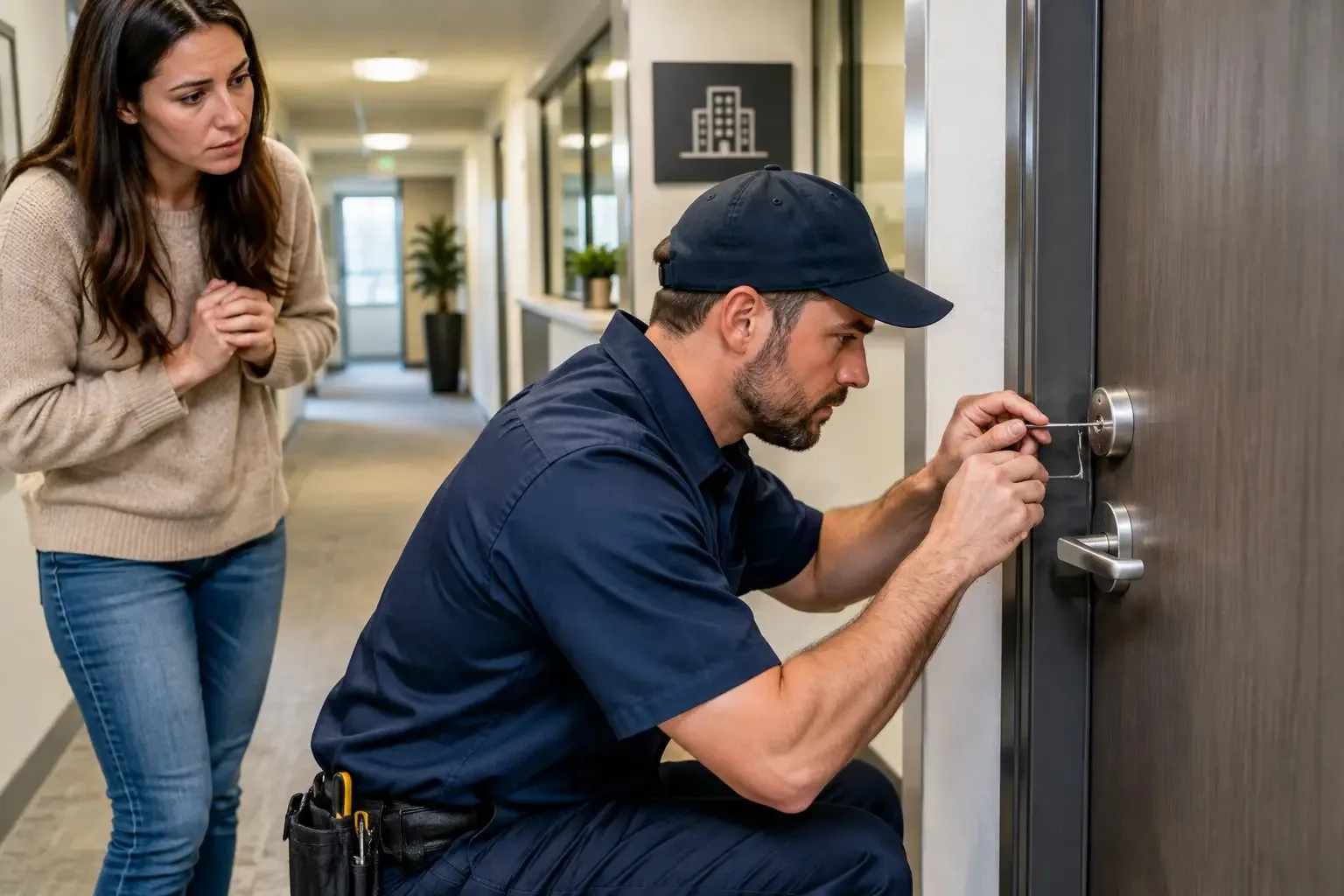
Your phone, wallet, medication, or a worried pet may be on the other side of that door. When you need to open a locked apartment door safely, the fastest-looking option is not always the safest one. A damaged lock, broken door frame, or lease violation can turn a stressful lockout into a more expensive problem.
Take a breath, move to a well-lit area, and focus on getting authorized help. Most apartment lockouts can be resolved without damage when the right person handles them.
First, Make Sure You Are Safe
If you are locked out in a parking ramp, stairwell, or unfamiliar part of the building, do not stay isolated just to remain close to your unit. Go to the lobby, leasing office, a nearby business, or another public, well-lit place while you make calls. If you feel threatened or see someone attempting to enter your apartment, call 911.
An immediate safety issue inside the apartment changes the situation. Smoke, a possible gas smell, an unattended child, a vulnerable adult, or a pet in distress may require emergency services or building management to act right away. Be clear about what is happening and where you are. Do not force the door unless emergency responders direct you to do so.
For a standard lockout, keep your ID, lease information, and apartment number ready. You may need to prove you live there before management or a locksmith can provide access.
Do Not Turn a Simple Lockout Into Door Damage
It is tempting to try a window, pry at the door, or use household items on the lock. Those choices can damage weather stripping, bend hardware, crack a frame, or compromise the door's fire rating. They can also create a security problem after you get back inside.
Avoid removing the lock, drilling into it, or trying improvised methods you found online. Apartment doors often use commercial-grade deadbolts, restricted key systems, electronic locks, or hardware installed by the property owner. A failed attempt can leave the door unable to secure properly and may make you responsible for repairs.
There is another reason to pause: a neighbor who sees someone manipulating a lock may reasonably call the police. The goal is not just to get in. It is to restore access in a way that protects your home, your lease, and everyone around you.
Start With the People Authorized to Help
Your first call should usually be your property manager, leasing office, maintenance line, or building concierge. Many apartment communities have an after-hours lockout process, though fees and response times vary. Check the number listed in your lease, resident portal, building entry area, or move-in documents.
If management can confirm your identity and send someone promptly, that is often the cleanest solution. Ask whether there is an after-hours charge before they dispatch maintenance. If they cannot respond soon, ask whether they authorize an insured locksmith to help and whether they have any requirements for replacing or rekeying the lock.
For renters, this distinction matters. You generally have the right to access your home, but the lock and door hardware may still belong to the property owner. If your landlord has a master-key system or a specific lock brand, changing components without permission can cause problems later.
A trusted roommate, family member, or neighbor may have a spare key. Only use a key that was intentionally provided for your unit. Do not borrow a key that may belong to a different apartment or try to access a management key box without authorization.
When to Call a Licensed Locksmith
A licensed, bonded, and insured locksmith is a practical option when management is unavailable, a spare key is out of reach, or you need access quickly. This is especially useful late at night, during bad weather, or when you are locked out after normal office hours.
Before a technician is dispatched, explain that you are locked out of an apartment and provide the building address, unit number, lock type if known, and whether anyone is inside. Ask for an upfront phone quote and confirm whether the price includes service-call, labor, and possible hardware costs. A reputable provider will explain the expected range before arriving rather than surprising you after the work is done.
The technician should verify that you are authorized to enter. A driver's license with the apartment address is helpful, but many renters have recently moved or have identification showing a previous address. In that case, a lease, resident portal, utility account, or confirmation from property management may help establish occupancy. The locksmith may also ask to see proof after entry if your documents are inside.
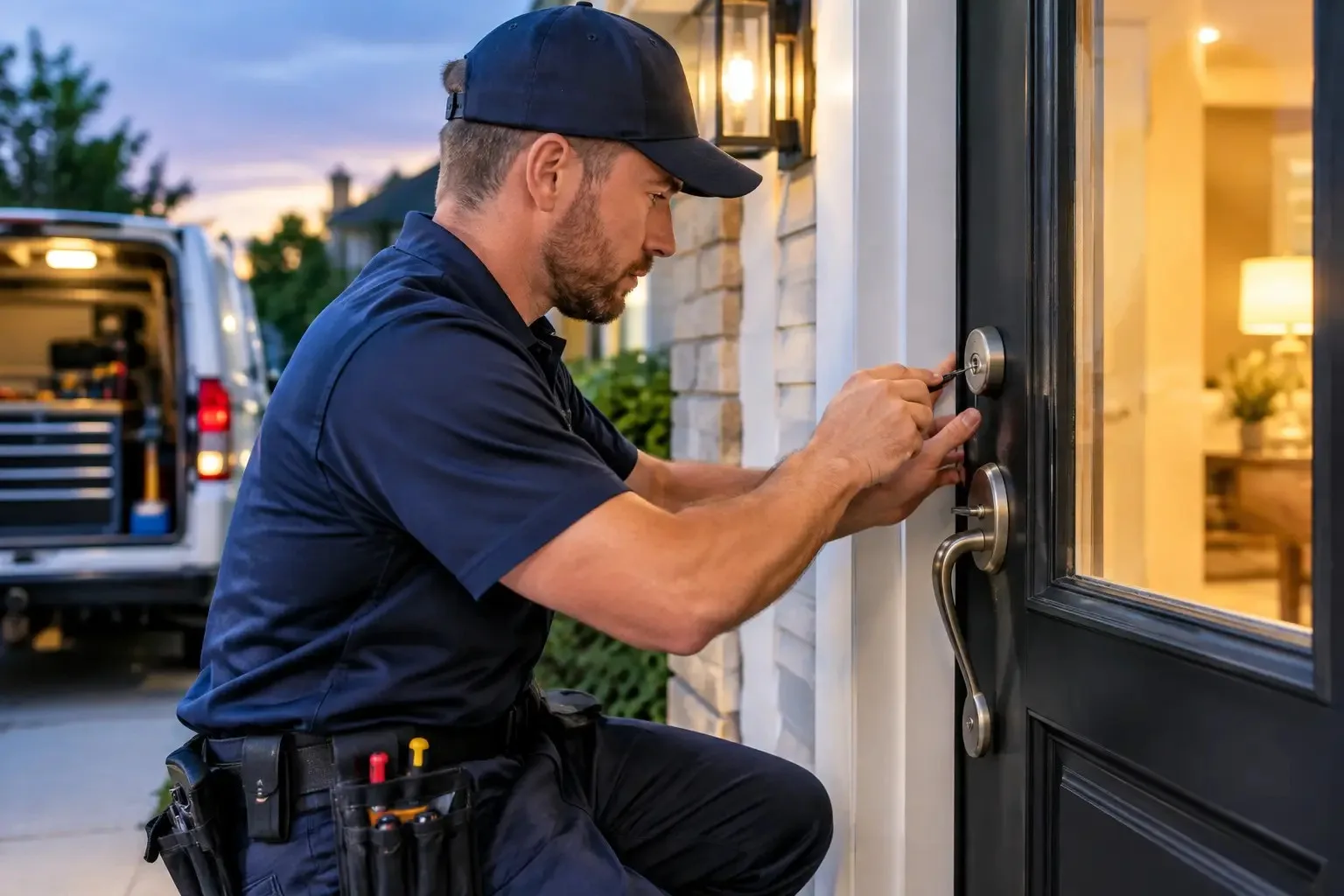
In Minneapolis and across the Twin Cities, 24/7 Key Clinic dispatches mobile technicians for residential lockouts, with upfront phone pricing and on-site service. The right technician will assess the door and lock first, then use the least destructive appropriate option for an authorized entry.
What a Professional Apartment Lockout Visit Looks Like
A good lockout service is straightforward. After confirming the location and your authorization, the technician examines the lock, door alignment, and any relevant building restrictions. Some doors have a deadbolt plus a latch. Others use electronic access hardware, a keyed entry knob, or a building-wide key system. The approach depends on the setup.
Whenever possible, the technician works to preserve the existing hardware. That protects your security deposit, avoids unnecessary replacement costs, and keeps the property manager from dealing with an altered lock later. If the lock is damaged, malfunctioning, or cannot be opened without replacement, the technician should explain why before doing additional work.
After access is restored, test the key, deadbolt, latch, and door alignment before the technician leaves. If you lost keys rather than simply left them inside, tell both the locksmith and your property manager. Rekeying or replacing a lock may be the responsible next step, particularly if your keys had an address, unit number, or identifying information attached.
Special Situations That Need a Different Plan
Not every apartment lockout is the same. A few circumstances call for extra care.
You Moved In Recently
If you are new to the apartment, confirm that your keys work in every lock and that management has updated its records. A lockout during the first week may point to a keying issue, an untested copy, or a problem with electronic credentials. Document the issue with management while it is fresh.
Your Key Is Broken or the Lock Is Failing
Do not keep forcing a key that sticks, bends, or only turns partway. A worn key or failing cylinder can break completely, leaving you locked out again or unable to secure the apartment from inside. Report the problem to management and arrange qualified service.
You Have a Smart Lock or Keypad
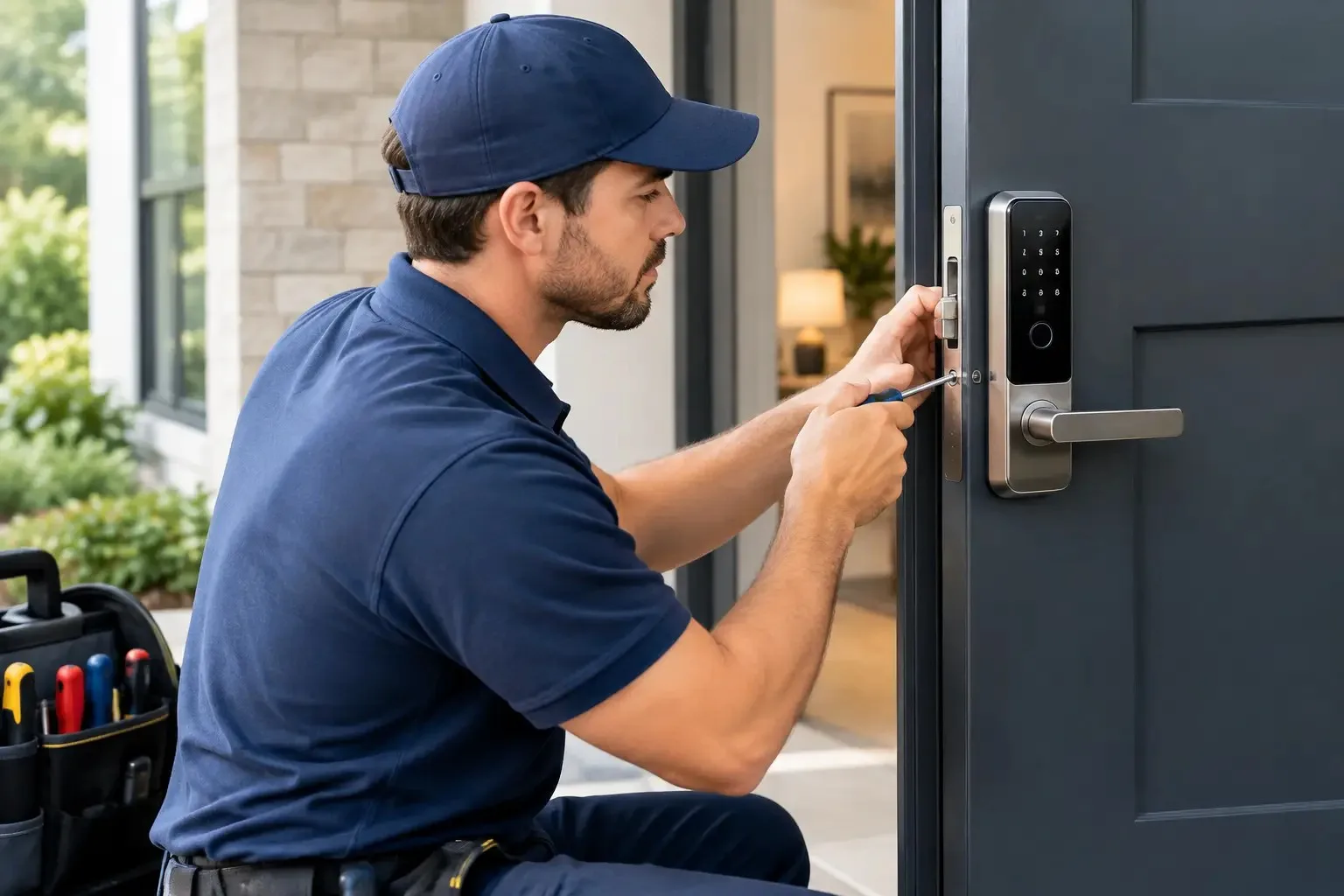
Check the battery, app access, backup key, and any building rules before assuming the lock has failed. Smart locks are convenient, but shared access settings, dead batteries, and changed Wi-Fi credentials can create confusion. If it is landlord-owned hardware, management should be involved before any reset or replacement.
You Need Access for a Pet or Medication
Tell the dispatcher exactly why timing matters. It may affect how they prioritize the call or whether they advise you to contact emergency services. Stay factual. Clear details help people respond appropriately.
Prevent the Next Apartment Lockout
Once you are back inside, take five minutes to reduce the odds of repeating the situation. Keep one authorized spare key with a trusted person who lives nearby, not hidden outside the building. Add your building's after-hours maintenance number to your phone contacts. If management allows it, ask about approved keypad or smart-lock options.
It also helps to create a quick leaving routine: phone, keys, wallet. This sounds basic, but most lockouts happen when a normal routine is interrupted by a rushed morning, groceries, a pet, or a late-night trip to the car.
A locked apartment door is frustrating, but it does not require risky shortcuts. Use authorized help, protect the property, and insist on clear pricing before anyone is sent out. That gets you back inside with your door, your security, and your lease in good shape.