Lock Rekeying When It Beats Replacing Locks
By Admin ·
A former tenant still has a key. An employee left without returning one. You just bought a house and have no idea how many copies are floating around. In each case, lock rekeying can restore control fast without automatically replacing every lock on the property.
For Twin Cities homeowners, renters, landlords, and business owners, rekeying is often the practical security move after a change in access. A mobile locksmith can usually complete the work on-site, reset the lock to work with a new key, and help you get back to one clear answer to a simple question: who can get in?
What Lock Rekeying Actually Changes
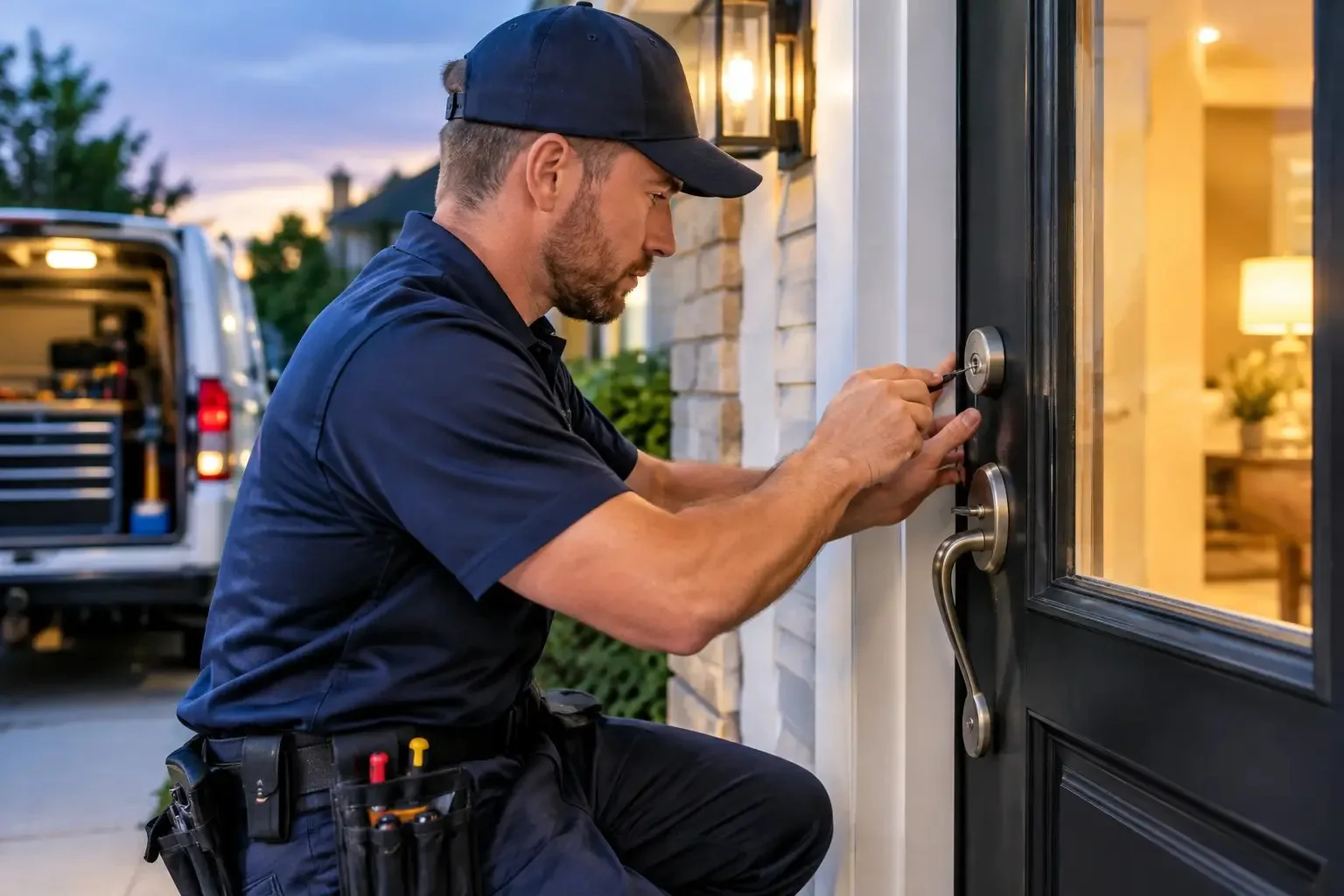
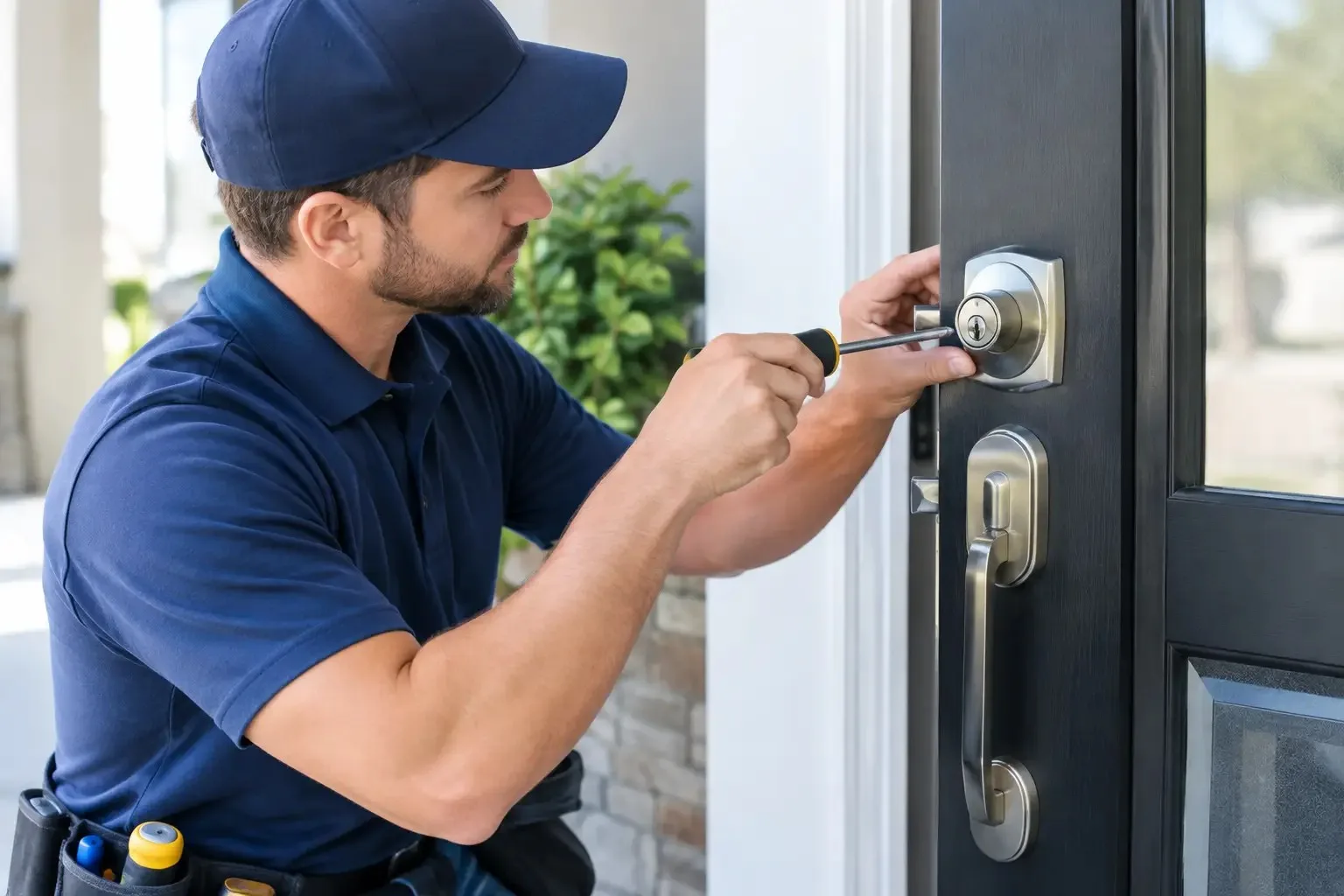
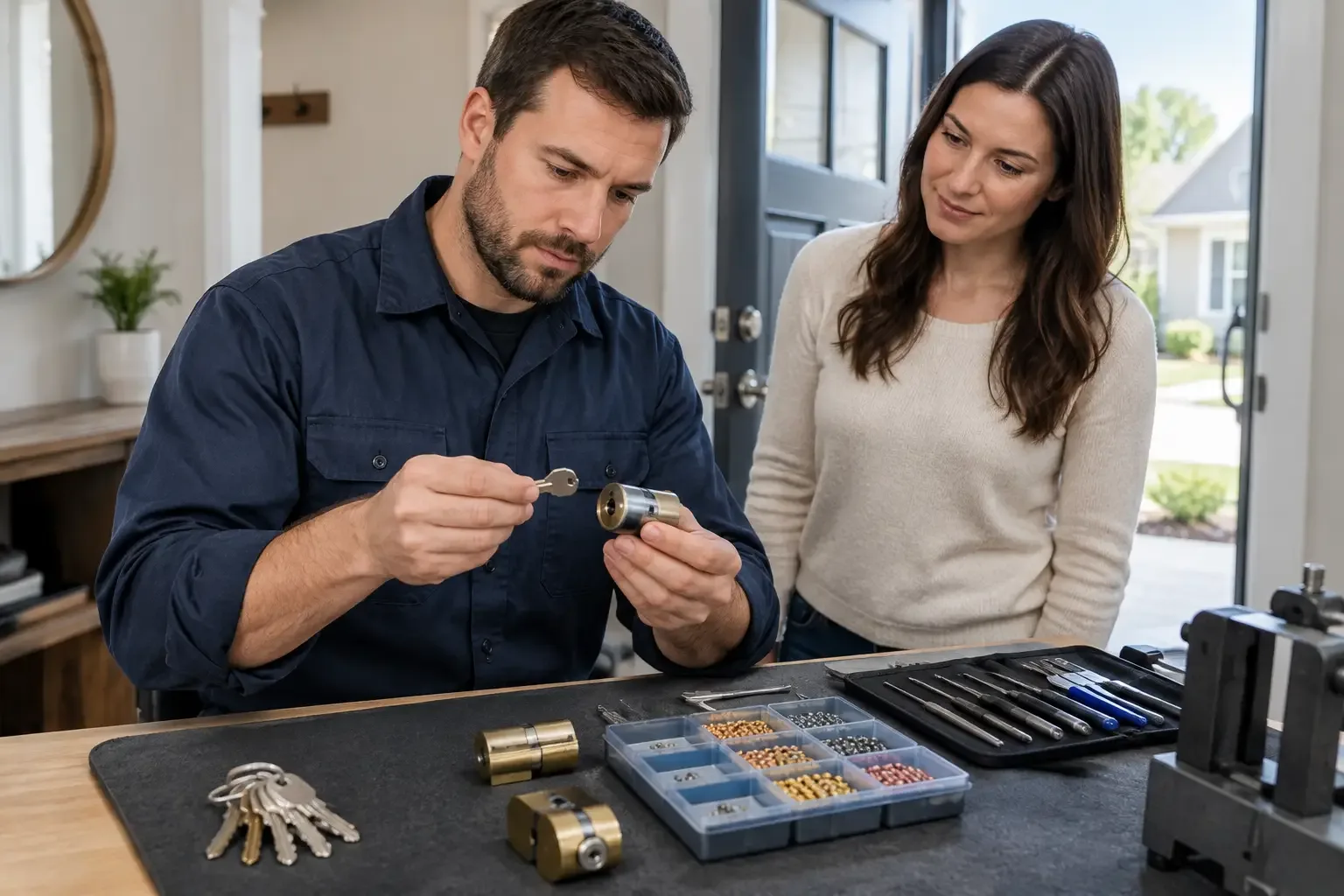
Rekeying changes the internal pin configuration inside a compatible lock cylinder. The lock hardware stays on the door, but the old key no longer operates it. The technician removes the cylinder, replaces or rearranges the small internal components, cuts a new key, and tests the lock before leaving.
That distinction matters. Rekeying is not the same as duplicating a key, and it is not the same as replacing a lock. A duplicate creates another copy of the current key. A lock replacement removes the existing hardware and installs new hardware. Rekeying keeps a sound lock in place while invalidating old keys.
It is a targeted fix for an access-control problem. If the door, latch, deadbolt, and lock cylinder are still in good condition, there is often no need to pay for entirely new hardware just because the key situation has changed.
When Rekeying Is the Right Call
The clearest reason to rekey is that someone may have a working key who should no longer have access. This comes up after moving into a home, ending a lease, completing renovations, changing cleaners or caregivers, or separating from a roommate or former partner.
For landlords, rekeying between tenants is a basic way to reset access without replacing good locks at every turnover. For a small business, it can be a fast response when keys are lost, an employee is terminated, or a vendor no longer needs entry.
Rekeying also makes sense when you want fewer keys. If several exterior doors use compatible lock brands and keyways, a locksmith may be able to key them alike so one key operates the front door, back door, garage entry, or side entrance. That is convenient, but it should be planned carefully. A business may prefer separate keys for different areas, while a homeowner may value the simplicity of one key.
A few common situations call for prompt action:
You moved into a home, condo, duplex, or apartment and do not know who has copies.
A house key was lost with identifying information, such as an address or work badge.
A contractor, tenant, employee, or former roommate did not return keys.
A key was stolen from a purse, vehicle, office, or lockbox.
You need to reset access after a breakup, eviction, staff change, or security concern.
If there is an immediate safety concern, do not wait for a convenient weekday appointment. Secure the property as soon as possible and use a licensed, insured locksmith who can come to you.
When a New Lock Is Better Than Rekeying
Rekeying is cost-conscious, but it is not the answer for every door. A locksmith should inspect the hardware before recommending it, because a lock that is worn, damaged, or poorly installed may not provide the protection you expect even with new keys.
Replacement is usually the better choice when the lock has been forced, the key turns roughly, the deadbolt does not align with the strike plate, or the cylinder is badly corroded. Minnesota winters can be hard on exterior hardware. Moisture, road salt, freezing temperatures, and repeated use can all expose a lock that is near the end of its service life.
You may also want new hardware if the current lock is low grade, outdated, or does not meet the security needs of the property. A deadbolt upgrade can provide a stronger bolt, better pick resistance, reinforced mounting, or a better fit with a secured door frame. For commercial properties, a move to restricted keys, a master-key system, or electronic access control may be more useful than simply resetting standard cylinders.
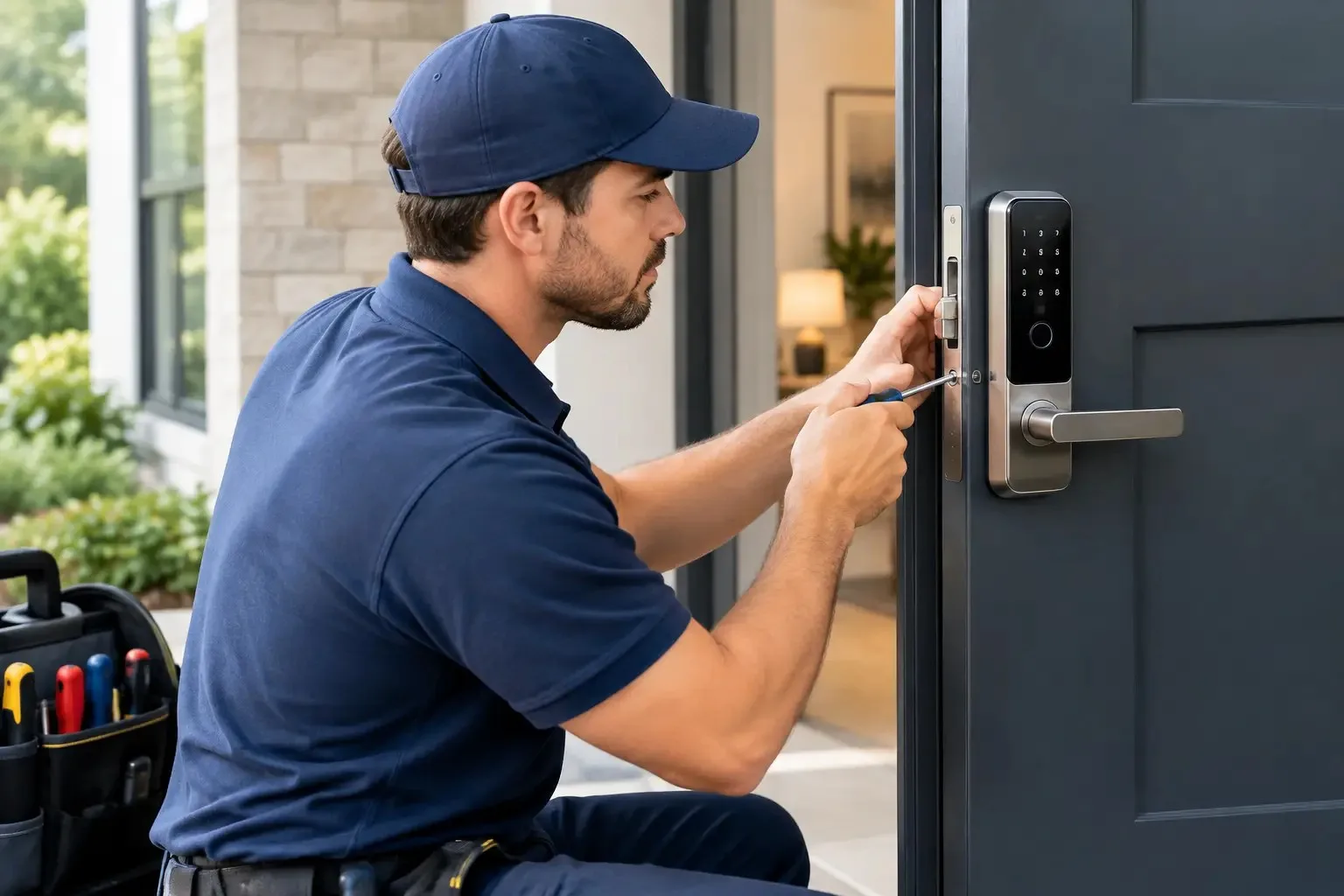
Smart locks are another case where it depends. Many allow you to remove digital access for former users right away, which is useful for rental units and busy households. But a smart lock still needs a reliable mechanical installation, battery maintenance, and a clear plan for backup entry. Technology adds options; it does not replace solid door hardware.
What Happens During a Rekeying Service
A professional rekey job should start with a quick review of the doors you want secured and the reason for the change. That helps determine whether rekeying, replacement, or a mix of both makes the most sense. A technician may ask for proof that you own or are authorized to access the property before beginning work.
The locksmith then checks the lock type, keyway, condition of the cylinder, and door alignment. If the hardware is compatible and working properly, the cylinder is reconfigured to a new key combination. The old key is tested to confirm it no longer works, and the new key is tested several times from both sides of the door.
For multiple doors, the technician can discuss whether they can be keyed alike or whether separate keys are safer. A commercial building may need different access levels: one key for an office manager, another for maintenance, and a third for a supply room. That is where a carefully designed master-key system can reduce key clutter without giving everyone access to every space.
With 24/7 Key Clinic, Twin Cities customers can receive upfront phone pricing before dispatch, then have a mobile technician handle the work at the home or business. That matters when a lost key or sudden personnel change cannot wait until tomorrow.
How Much Does Lock Rekeying Cost?
The price depends on the number of locks, the type and condition of the cylinders, whether keys can be matched across doors, and whether service is needed after hours. Commercial hardware, high-security cylinders, mailbox locks, cabinet locks, and specialized key systems may require different parts and more time than a standard residential deadbolt.
The lowest initial price is not always the best value. A vague quote can turn into surprise charges once the technician arrives. Ask for the dispatch or service-call cost, the labor cost per lock or cylinder, the price of new keys, and any after-hours charge before authorizing service. A professional locksmith should explain the scope clearly rather than treating price as a mystery.
If a lock is failing, ask for both options: the cost to rekey it and the cost to replace it with appropriate hardware. Spending a little more on a dependable deadbolt can be wiser than rekeying a cylinder that will soon fail.
Protect the Door, Not Just the Key
A rekeyed lock is only one part of a secure entry. The door itself should close cleanly, the deadbolt should extend fully into the frame, and the strike plate should be firmly fastened. A loose frame, weak strike plate, or misaligned door can undermine an otherwise good lock.
Take a minute to review key control after the work is done. Decide who receives copies, avoid hiding spare keys in predictable places, and label business keys without identifying the address. If you use a lockbox, garage keypad, alarm code, or smart-lock app, reset those credentials too. Rekeying handles the mechanical key, while those other systems require their own access changes.
When access has changed, acting quickly can prevent a small uncertainty from becoming a late-night problem. A new key combination gives you a clean starting point, and a properly checked door gives that new key real security.