When You Need a Deadbolt Installation Service
By Keyclinic ·
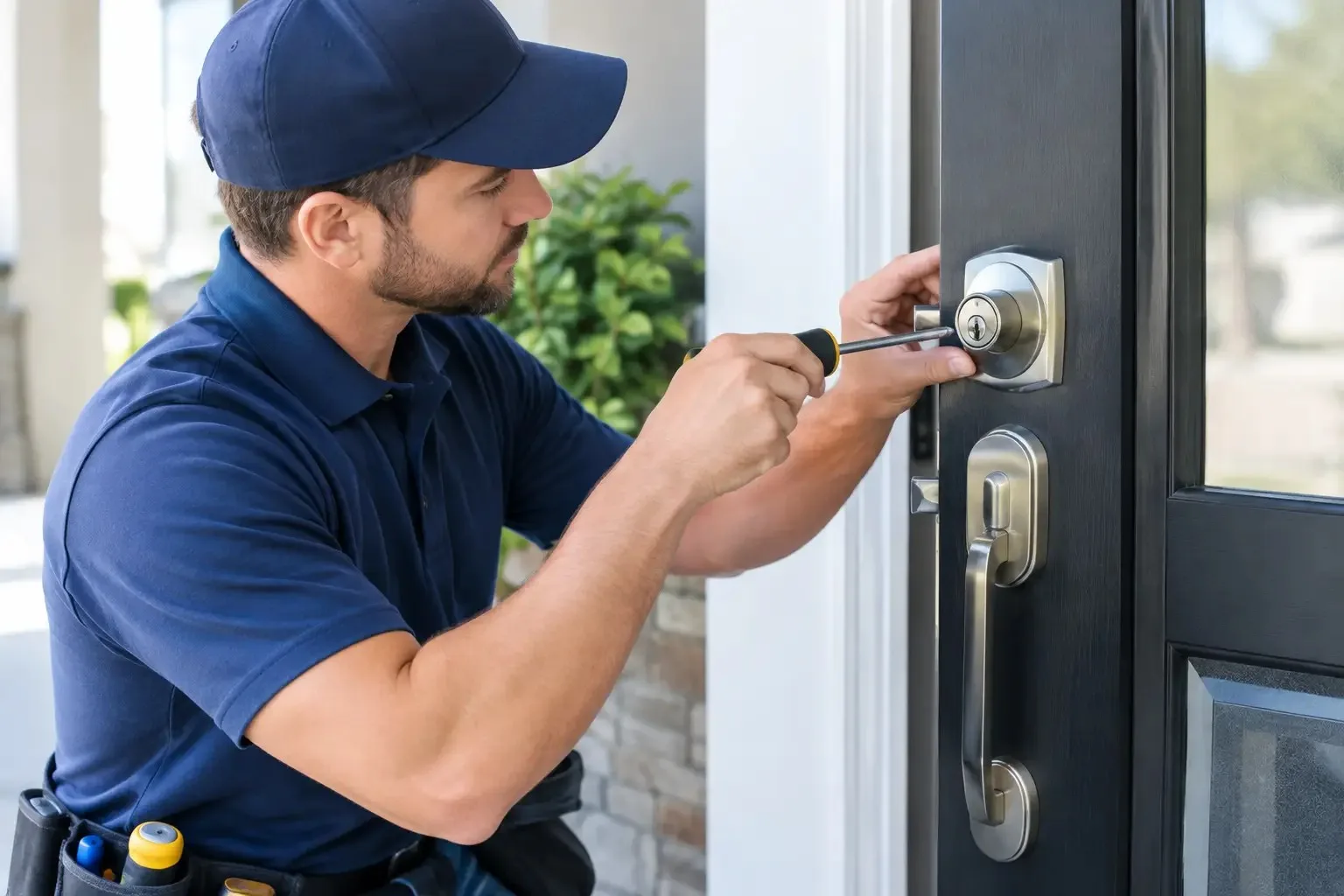
A deadbolt that does not line up, sticks in the cold, or leaves a gap around the door is more than an annoyance. It can make your home or business easier to force open - and make daily entry harder than it should be. A professional deadbolt installation service makes sure the lock, door, frame, strike plate, and hardware all work together before you depend on them.
For Twin Cities property owners, this often becomes urgent after a break-in, a move, a tenant turnover, a failed lock, or a late-night discovery that the front door will no longer secure. The right response is not simply buying the strongest-looking lock on the shelf. It is fitting the right lock correctly and checking the door structure behind it.
What a Deadbolt Installation Service Actually Covers
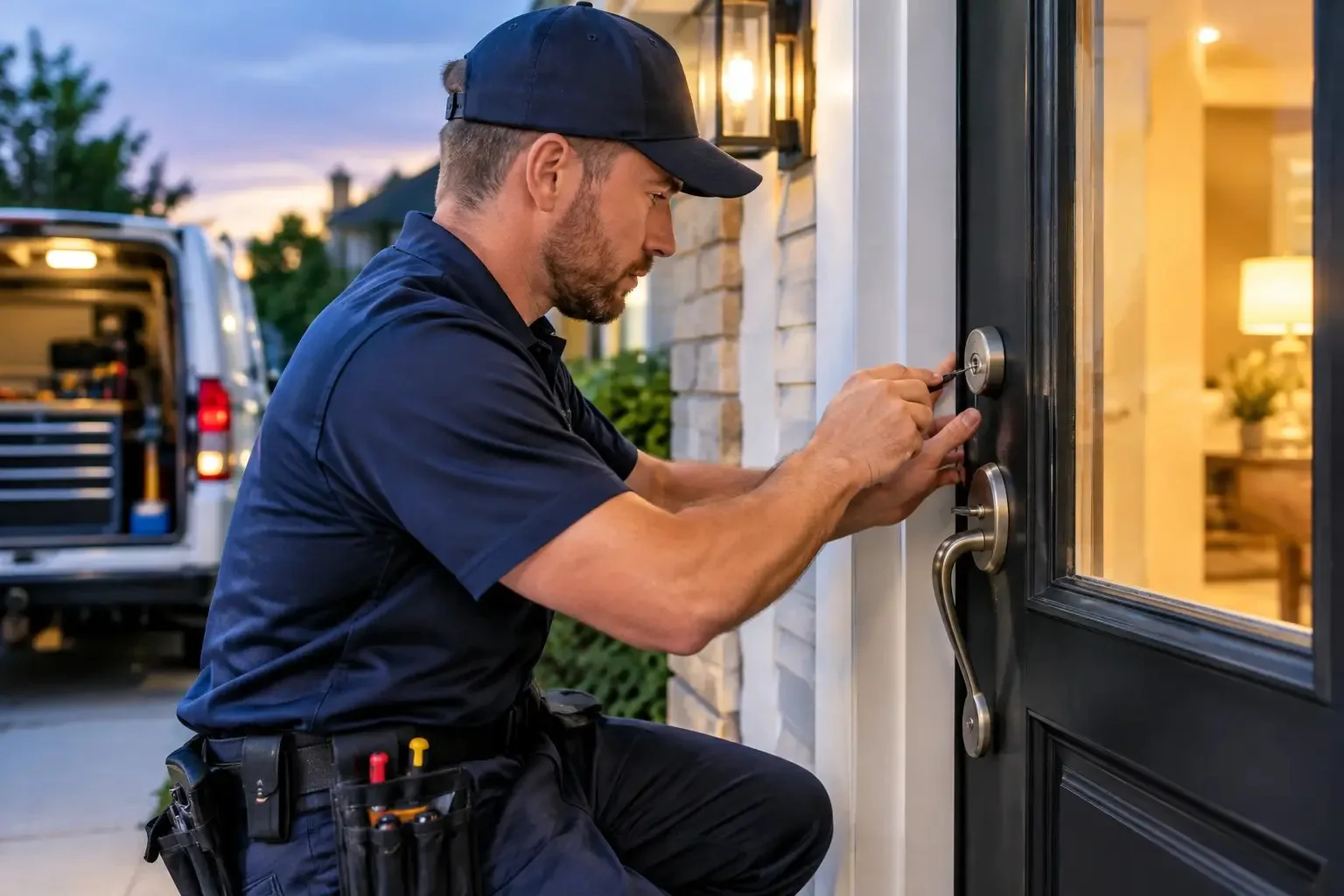
A deadbolt installation is not a one-size-fits-all job. A mobile locksmith starts by looking at the existing door, the bore holes, the backset, the jamb condition, and how the door closes. From there, the technician can determine whether a new deadbolt will fit the existing preparation or whether the door needs careful modification.
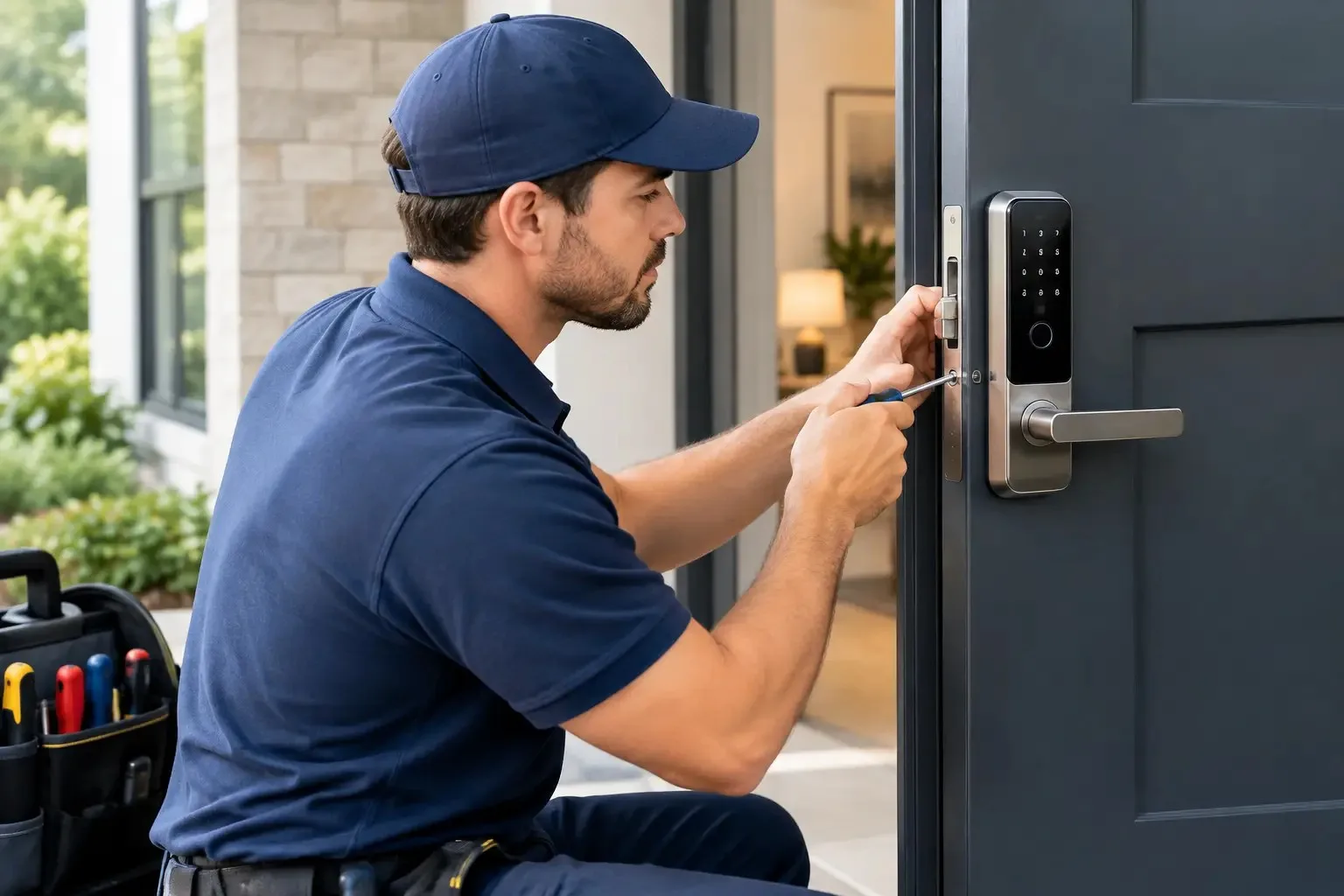
The work may involve replacing a worn deadbolt, adding one to a door that has only a knob or lever lock, upgrading a basic lock, or installing a smart deadbolt. The technician should also inspect the strike plate, the metal plate on the frame where the bolt enters. A quality deadbolt cannot do its job if the bolt barely reaches the frame or the strike plate is loose, bent, or attached with inadequate screws.
For most exterior residential doors, a single-cylinder deadbolt is the standard choice. It uses a key outside and a thumb turn inside, allowing a quick exit without a key. Double-cylinder models require a key on both sides. They can be appropriate in limited situations, such as certain glass-adjacent doors, but they also create an exit concern during an emergency. Local code requirements, the door layout, and who uses the space all matter.
When It Is Time to Replace or Add a Deadbolt
A deadbolt does not need to be completely broken before it deserves attention. Waiting can leave you locked out, unable to secure the door, or dealing with a more expensive repair after the hardware fails.
Watch for a bolt that requires lifting, pushing, or pulling the door to lock. That usually means the strike is out of alignment, the frame has shifted, or weather changes have affected the door. A key that catches, turns roughly, or only works from one angle can point to internal wear. Loose hardware, screws pulling from the frame, visible cracking around the door edge, and a latch that does not fully extend are also warning signs.
A replacement is also wise after keys have changed hands. If you have just moved into a home, ended a roommate arrangement, taken possession of a rental, or had employee keys go missing, rekeying may be enough when the existing lock is in good shape. If the lock is damaged, outdated, or not compatible with your security plan, installing a new deadbolt is the better move.
After an attempted break-in, do not judge the door by the lock alone. The frame, strike area, hinges, and door edge may have damage that prevents a replacement deadbolt from seating correctly. Addressing those weak points is part of restoring real security, not just making the door look repaired.
Choosing the Right Deadbolt for Your Door
The best choice depends on the door and how you use it. A solid exterior door at a single-family home has different needs than a shared apartment entry, side garage door, retail back door, or office suite.
A traditional keyed deadbolt is simple, proven, and familiar to most users. It is often the practical choice when you want dependable key access with minimal upkeep. A keypad or smart deadbolt can make sense for busy households, short-term rental managers, and businesses that need to add or remove access without collecting physical keys. However, electronic locks still need proper mechanical installation, battery monitoring, and a backup entry plan.
For commercial properties, the lock should fit the traffic level and the larger access system. A back office, supply room, or exterior employee entrance may need restricted key control, a commercial-grade deadbolt, or a different locking solution entirely. Putting a residential deadbolt on a high-use commercial door can create repeat failures rather than solve the security issue.
The door material matters too. Wood, steel, fiberglass, aluminum storefront doors, and metal-clad doors require different fitting methods. An experienced locksmith will not force a standard installation onto a door that needs specialized hardware or additional repair.
The Lock Is Only One Part of the Security Plan
A deadbolt is strongest when the surrounding door assembly is sound. Long screws that anchor the strike plate into structural framing can make a meaningful difference. So can repairing split wood, reinforcing a weak jamb, and adjusting a sagging door so the bolt enters the strike cleanly.
This is why an installation that takes a little longer can be worth it. A deadbolt that turns easily and extends fully is less likely to wear out early and more likely to perform as intended when pressure is applied to the door.
What to Expect From an On-Site Installation
A reliable service call should begin with clear information. Before dispatch, ask for pricing based on the work you need and whether the lock hardware is included. If the technician finds damage or a compatibility issue on site, the added work and price should be explained before it begins.
At the property, the locksmith verifies the door condition and discusses options that fit your situation. If you already purchased a deadbolt, they can confirm whether it is appropriate and install it when compatible. If you need hardware supplied, they can recommend a suitable option based on the door, security needs, and budget.
The installation itself includes measuring, fitting the lock body and bolt, securing the strike plate, testing key operation, and checking that the door locks without force. With a smart lock, the process should also include basic setup, code or app access checks, and an explanation of backup entry methods. You should leave the appointment knowing which keys work, who has access, and how to operate the lock without guessing.
24/7 Key Clinic provides mobile locksmith service throughout Minneapolis and the surrounding metro, so common deadbolt repairs and installations can be handled where the problem is - at your home, rental, storefront, or office. For urgent situations, a mobile response can prevent a damaged door from staying unsecured overnight.
Deadbolt Installation for Rentals and Businesses
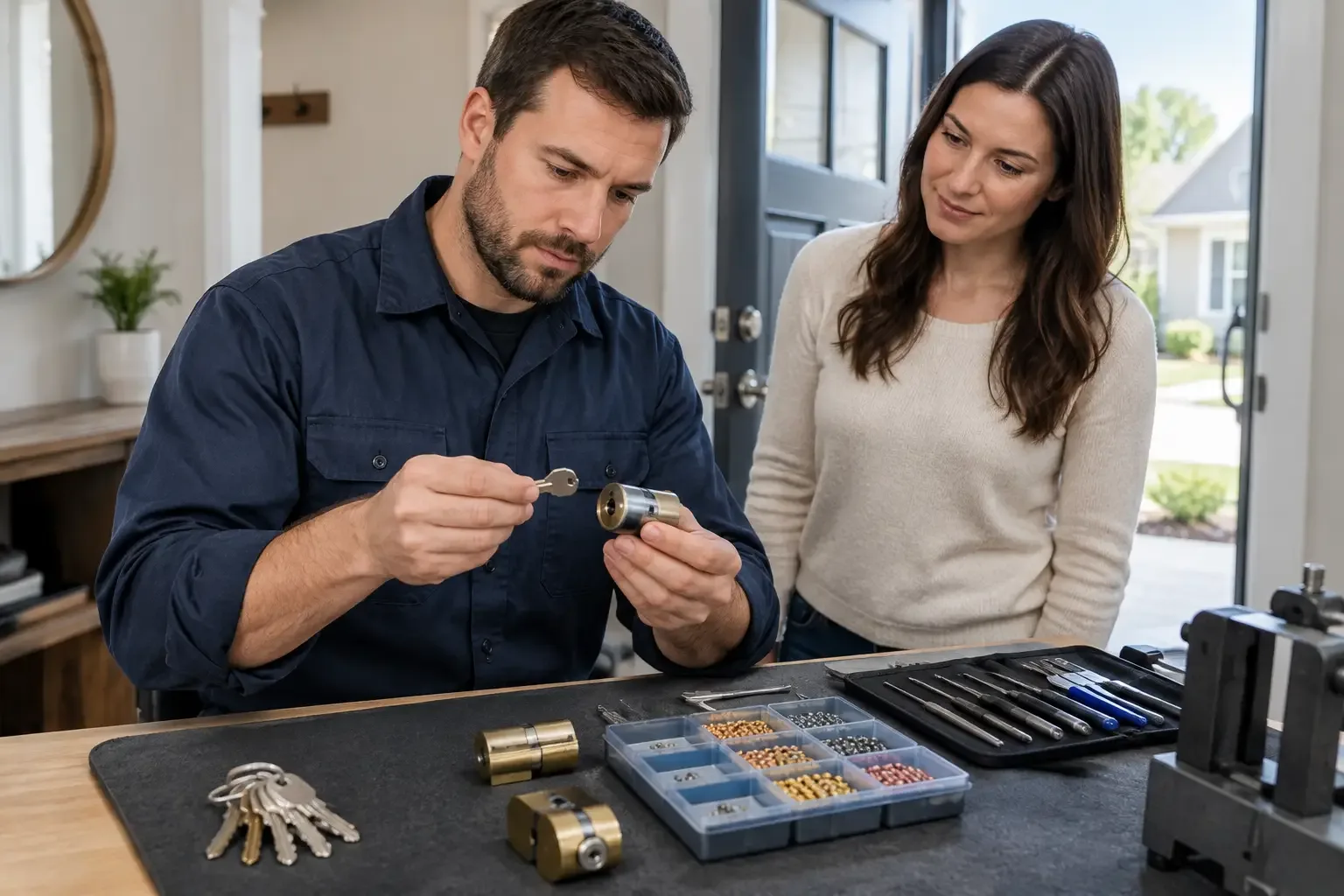
Renters should check with the property owner or lease terms before changing exterior lock hardware. In many cases, a landlord may prefer to manage the lock change or request a copy of the new key. If the goal is privacy after a roommate leaves or keys are unaccounted for, rekeying is often less disruptive than replacing the whole lock, provided the hardware is in good condition.
Property managers need a repeatable plan. Keeping every unit on a different unknown keyway creates problems during maintenance calls and turnovers. Rekeying schedules, controlled key distribution, and documented hardware standards can reduce confusion while helping protect residents.
Business owners should think beyond the front entrance. Rear doors, employee-only entrances, storage rooms, and areas containing tools or customer information may need different access levels. A locksmith can help determine when a deadbolt makes sense and when a master-key system, panic hardware, or electronic access control is the safer choice.
Do Not Ignore Cold-Weather Lock Problems
Minnesota winters can expose small alignment issues quickly. Wood doors can swell or shift, metal components contract, and moisture can freeze around the strike or cylinder. If your deadbolt becomes hard to turn only during cold weather, avoid forcing the key or wrenching the thumb turn. That can break the key, damage the cylinder, or bend internal parts.
A technician can identify whether the issue is ice, worn hardware, poor alignment, or a door that is moving with the seasons. Sometimes a targeted adjustment solves it. Other times, the old lock has reached the end of its service life and should be replaced before it fails during a late-night return home.
A Better Next Step Than Waiting for a Lock Failure
If your door is hard to secure, keys are unaccounted for, or you are upgrading a property after a move or break-in, arrange the work before it becomes an emergency. Ask for the price before dispatch, confirm that the technician is licensed and insured, and describe the door and current problem as clearly as possible.
A properly installed deadbolt should disappear into your routine: the key turns, the bolt seats, and you leave knowing the door is actually secured. That small bit of certainty matters most when you are the last person leaving the building or arriving home after dark.