After Hours House Lockout? Help Is Minutes Away
By Keyclinic ·
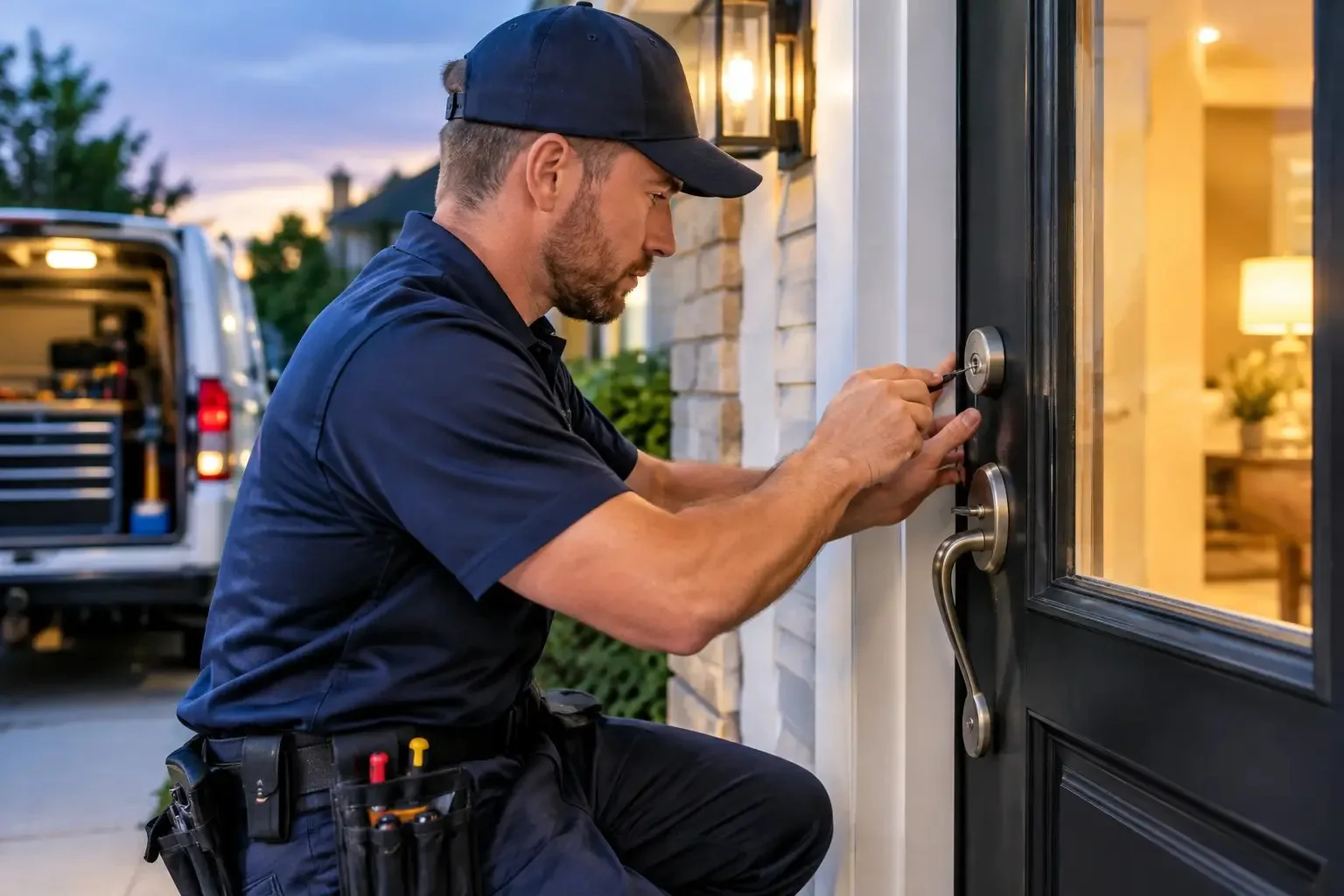
The worst part of an after hours house lockout is rarely the door itself. It is standing outside at 11:40 p.m. with a dead phone battery, a child asleep inside, groceries in the car, or a Minnesota wind chill that makes every minute feel longer. The right move is not forcing the lock or taking chances. Get to a safe spot, confirm your address, and call a licensed mobile locksmith who can come to you.
For Twin Cities residents, a lockout does not have to wait for morning. A prepared technician can assess the door, verify that you are authorized to enter, and use the right tools to restore access with as little disruption as possible.
What to Do During an After Hours House Lockout
First, pause before trying a shortcut. A bent key, cracked door frame, damaged deadbolt, or broken window can turn a straightforward service call into a costly repair. If you are outside in poor weather or an area that does not feel safe, move to a well-lit location nearby, such as a neighbor's porch, your vehicle, or a business that is still open.
Then check the simple possibilities. A back or side door may be accessible, another household member may have a key, or a trusted nearby contact may hold a spare. Do not climb through a window, enter through an unsecured opening, or attempt to remove a lock yourself. Even if it works, it can cause injuries, create property damage, and leave the home less secure afterward.
When you call for locksmith help, be ready to provide your location, the type of door and lock if you know it, and whether anyone is inside who needs urgent assistance. If a child, vulnerable adult, pet in distress, or active medical concern is involved, tell the dispatcher immediately. For a fire, medical emergency, or immediate threat to someone inside, call 911 first.
Why Forcing the Door Usually Costs More
Locked exterior doors are designed to resist force. Kicking the door, prying the frame, or drilling a lock without knowing its construction can damage more than the lock cylinder. It can split the jamb, ruin weatherstripping, bend a strike plate, or misalign a deadbolt so the door no longer closes properly.
That matters even more during an after hours house lockout, when emergency repair options may be limited. A professional locksmith starts by identifying the lock and choosing the least destructive appropriate method. In many cases, entry can be gained without replacing the hardware. If the lock is damaged, worn out, or no longer secure, the technician can explain the available replacement options on site.
The trade-off is straightforward: a low-cost attempt to force entry can become a lock, door, and frame repair. Calling a qualified technician may feel like an extra step when you are tired and frustrated, but it protects the home you are trying to get back into.
What a Mobile Locksmith Does at Your Door
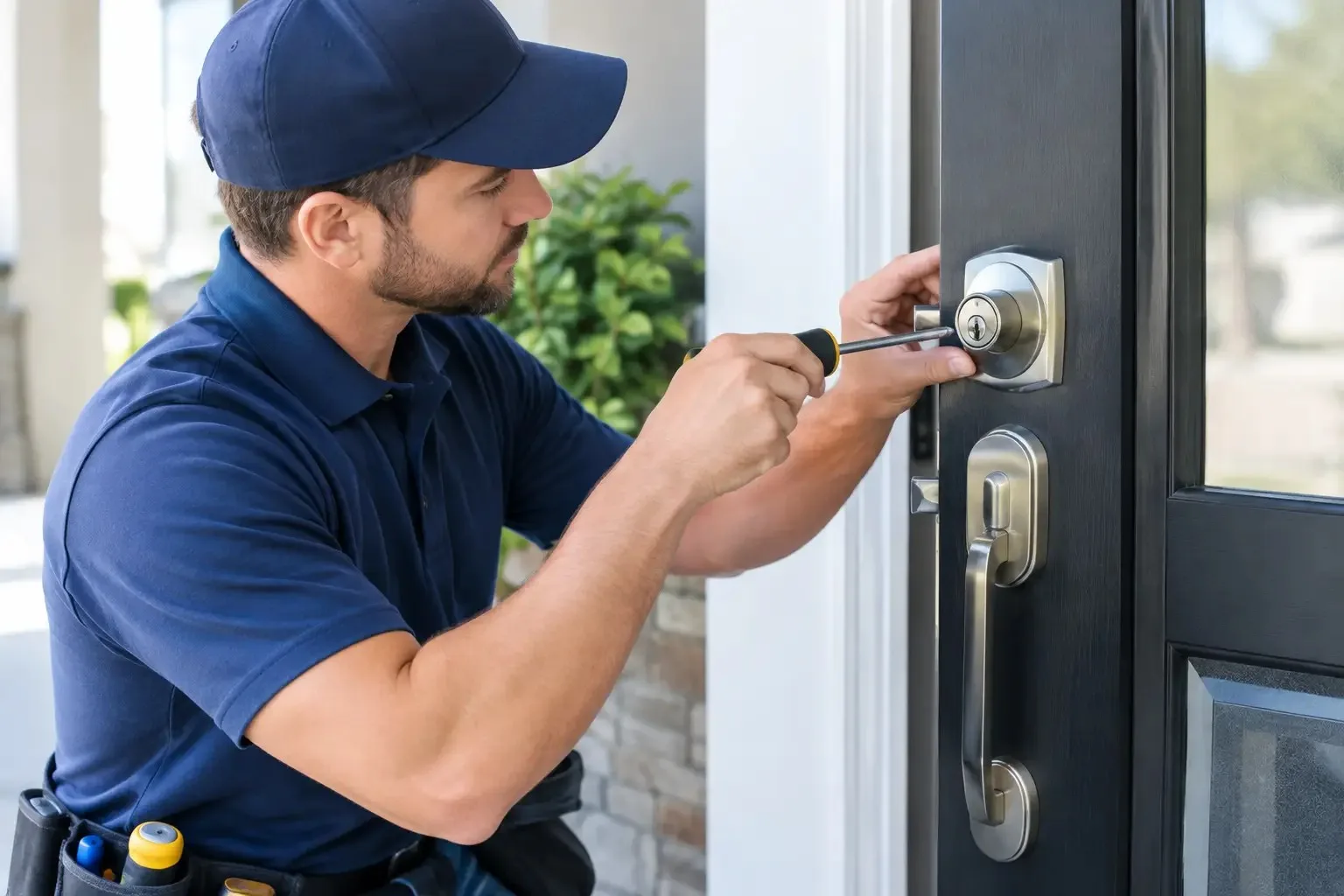
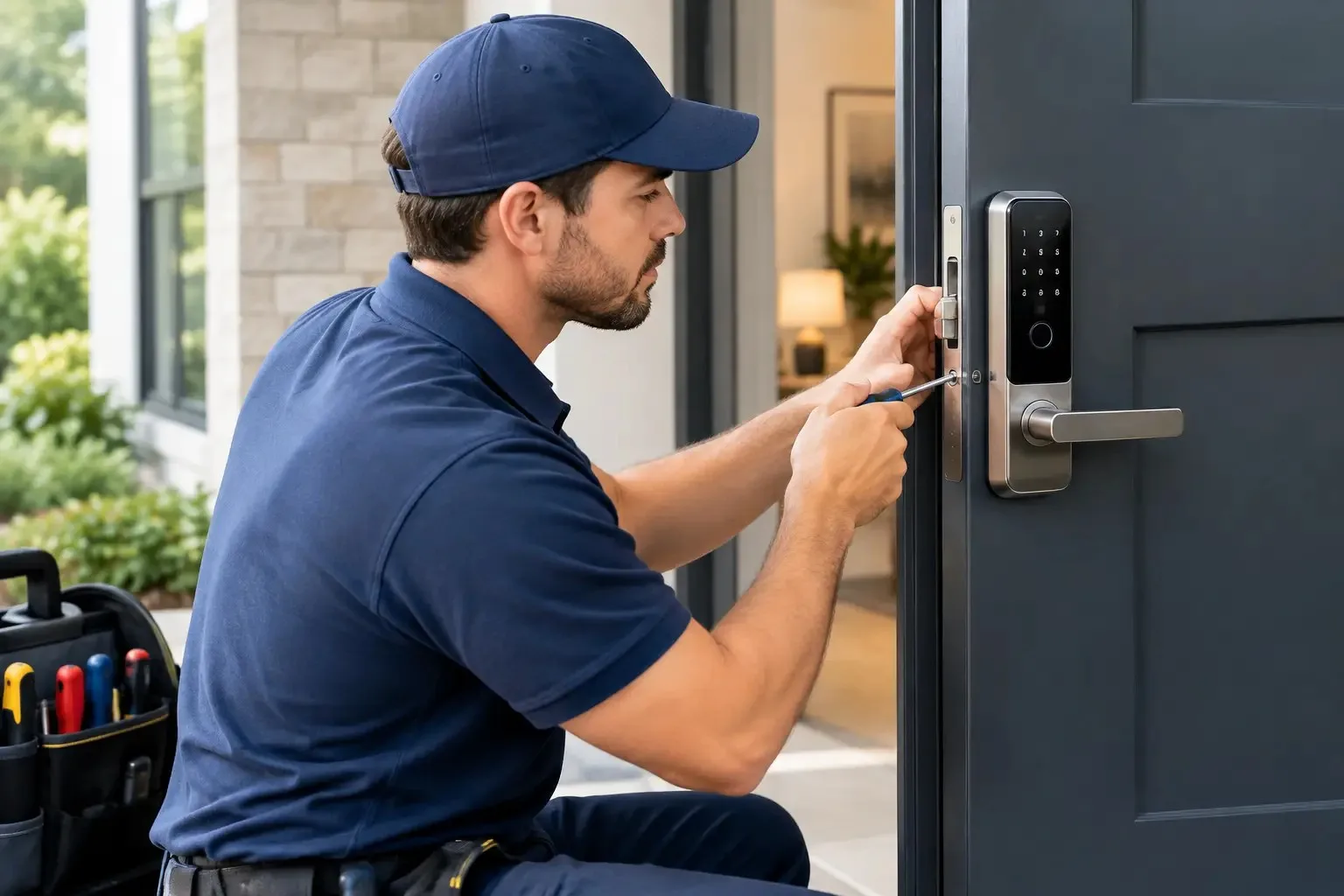
A legitimate mobile locksmith does not ask you to explain lock mechanics. The technician arrives with professional entry tools, key-cutting equipment, common residential hardware, and the experience to work with standard deadbolts, knob locks, keypad locks, and many smart-lock setups.
Expect a clear process. The locksmith will confirm the service address and verify that you have the right to enter. That may involve checking your photo ID, a lease, mail, or other proof connected to the property. If your identification is locked inside, explain that before dispatch. There are still ways to verify occupancy, but a reputable company will not skip authorization checks simply because it is late.
Next, the technician examines the door and lock, explains the likely approach, and performs the work. If replacement is necessary, you should be told why and given the price before the work begins. At 24/7 Key Clinic, customers receive upfront phone pricing before dispatch, so they are not left guessing about the basic cost of getting help to their location.
Apartment, Rental, and Shared-Home Lockouts
Renters have an added consideration: the lease. Some apartment buildings require tenants to contact building management, an after-hours maintenance line, or a designated lockout provider. Check your lease or resident portal if you can do so safely. A building with controlled entry may also require the locksmith to coordinate with management before working on certain doors.
That does not mean you should spend the night outside waiting for an email response. If your lease permits outside locksmith service, a mobile technician can help with your unit door. If a lock must be changed because of damage or a lost key, save the receipt and notify management promptly. You may be responsible for the expense, but you should not leave a security change unreported.
In a shared home, avoid asking a locksmith to let you into a room or area that is not clearly yours. Authorization is part of safe, professional service. It protects tenants, landlords, and property owners alike.
Questions to Ask Before You Approve Dispatch
Late-night lockouts make people vulnerable to vague promises and surprise charges. A trustworthy locksmith should be able to answer direct questions before heading out. Ask for the service-call price or estimated total, whether the quote includes after-hours charges, how long arrival is expected to take, and whether the company is licensed and insured.
You can also ask whether the locksmith expects non-destructive entry to be possible. No honest provider can guarantee that without seeing the lock, especially if the hardware is damaged or high-security. But they should explain that preserving the existing lock is the preferred starting point whenever the situation allows.
Be cautious with anyone who refuses to provide a pricing range, insists every lock must be drilled, or will not identify the business clearly. A local company should have a direct process for dispatch, arrival updates, authorization verification, and payment.
After You Get Back Inside
Once you are safely in, take a minute to find out why the lockout happened. A key left inside is a one-time mistake. A sticky deadbolt, a key that catches, a damaged latch, or a smart lock that repeatedly fails is a security and reliability issue worth addressing before the next cold night.
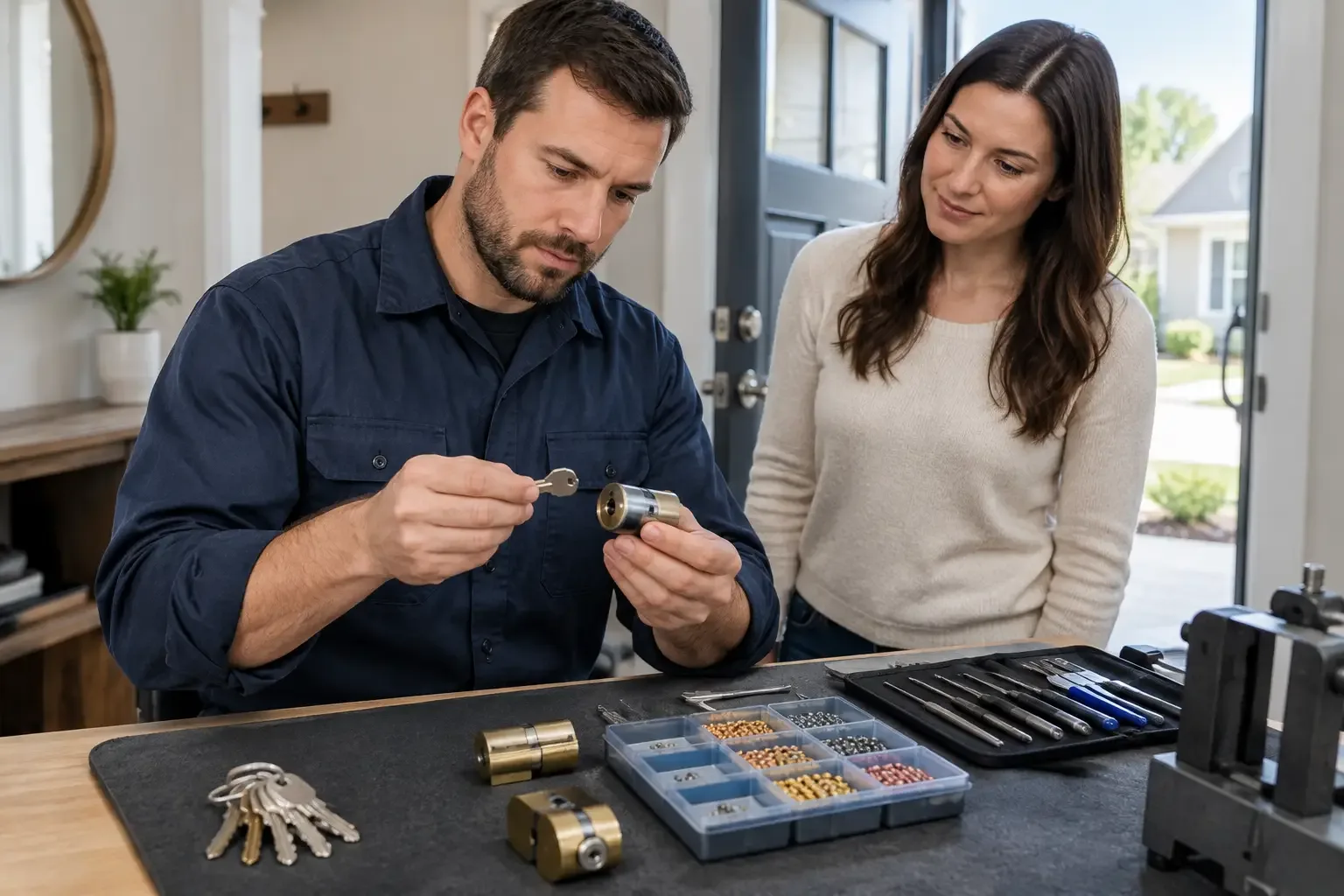
A locksmith can rekey existing locks after a lost key, replace worn hardware, install a stronger deadbolt, or set up a smart lock with backup entry options. Rekeying is often the practical choice when the lock is in good condition but you no longer know who may have a copy of the key. Replacing the lock may make more sense if the hardware is old, damaged, incompatible with your door, or no longer meets your security needs.
For homeowners, keep one spare key with a trusted nearby person rather than under a mat, rock, or planter. For renters, follow building rules and ask management whether they can keep an authorized emergency key on file. A keypad or smart lock can be useful, but only if you maintain fresh batteries and have a backup plan for a dead battery, forgotten code, or phone issue.
Help That Does Not Stop at Closing Time
A house lockout is disruptive enough without wondering whether help is available. Whether you are outside a Minneapolis home after work, returning from a late flight, or locked out during a weekend storm, focus on safety first and avoid damaging the door in frustration.
Keep your phone charged if possible, save a trusted local locksmith's number before you need it, and choose a provider that gives you clear pricing and clear answers. The fastest way back inside should also leave your home secure when the door closes behind you.