High Security Lock Installation That Holds Up
By Keyclinic ·
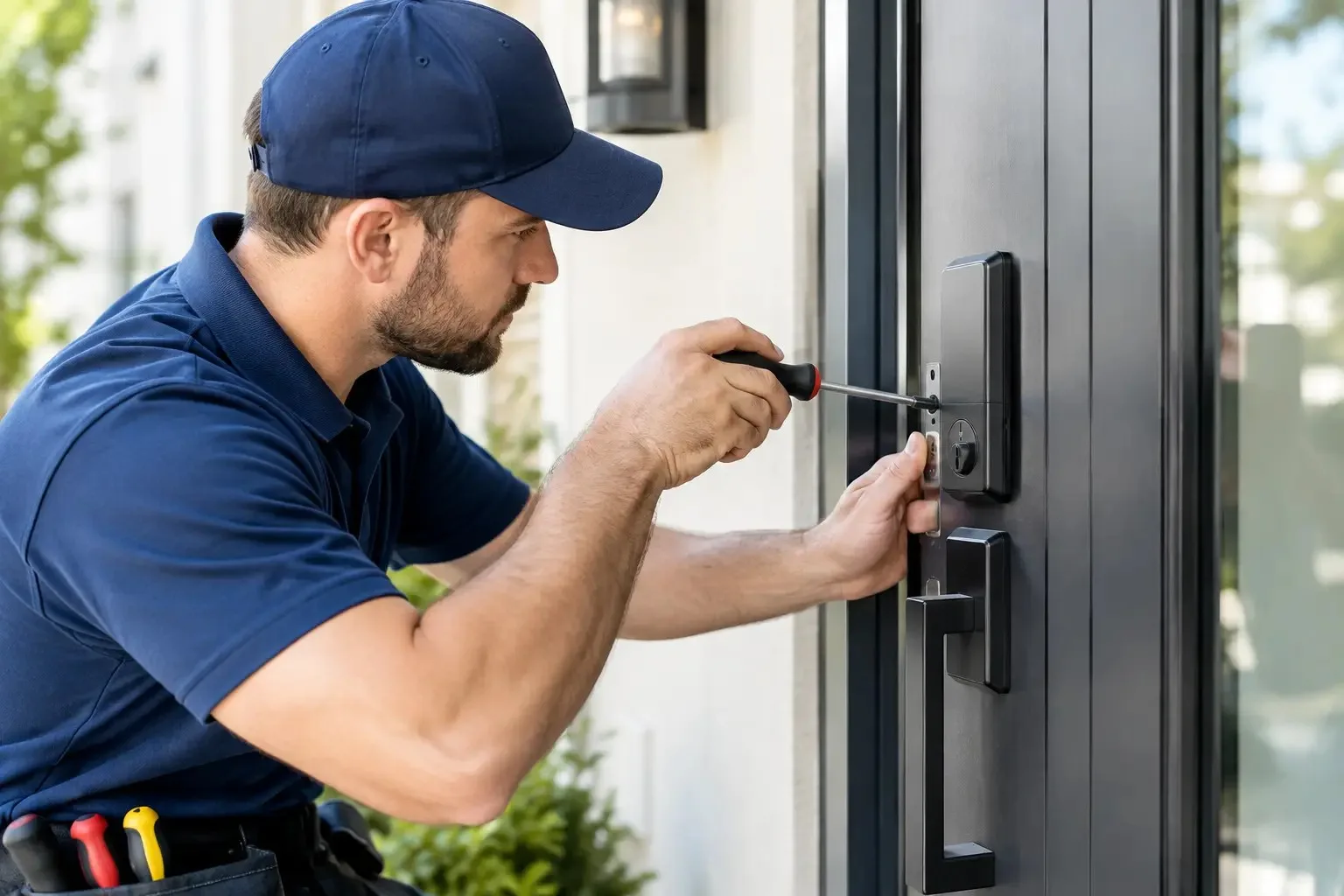
A high security lock installation is not just a tougher deadbolt on the door. It is a complete check of the lock, the key system, the strike plate, the frame, and the way people enter your property. If one weak point remains, an expensive lock alone may not deliver the protection you expect.
For homeowners, that can mean replacing hardware after a break-in attempt, a lost key, a move, or an unwanted former keyholder. For businesses, it often means controlling who has keys, protecting sensitive areas, and reducing the chance that one copied key becomes a costly security problem.
What Makes a Lock High Security?
A standard residential lock can be a reasonable choice for basic access control, but many common cylinders are vulnerable to picking, drilling, bumping, forced turning, or unauthorized key duplication. High-security hardware is built to make those attacks more difficult and more time-consuming.
The exact features depend on the brand and lock type, but high-security cylinders often use patented or restricted keyways, hardened anti-drill components, pick-resistant pin systems, and stronger internal construction. Restricted keys are especially valuable when key control matters. They are not designed to be copied at every hardware counter by anyone holding the key.
That said, high security does not mean the same thing for every door. A front entry door at a single-family home has different risks than a storage room, apartment building entrance, medical office, warehouse, or retail back door. The right setup depends on what you are protecting, who needs access, and how quickly you need to change access when staff, tenants, or vendors change.
The Door and Frame Matter as Much as the Lock
A strong cylinder cannot compensate for a weak door frame. When forced entry happens, the failure point is often the strike plate or the wood around it, not the deadbolt itself.
During a proper installation, the technician should look at how the deadbolt lines up with the strike, how deeply the bolt enters the frame, and whether the screws securing the strike reach solid framing. A reinforced strike plate with long screws can make a major difference on a residential wood frame. On commercial openings, the condition of the metal frame, door closer, latch alignment, and existing hardware all need attention.
Door material also changes the recommendation. A hollow-core interior door is not suited for serious perimeter security. A warped door may keep a new lock from operating correctly. A damaged frame can leave a gap that makes prying easier. In those cases, installation should include an honest discussion about what the hardware can and cannot solve.
When High Security Lock Installation Makes Sense
High-security locks are often a smart investment after a specific event, but they also make sense as a planned upgrade. Consider one when you have moved into a home and do not know how many keys are still in circulation. Rekeying may be enough in some cases, but upgrading the cylinder can give you better protection against unauthorized copies going forward.
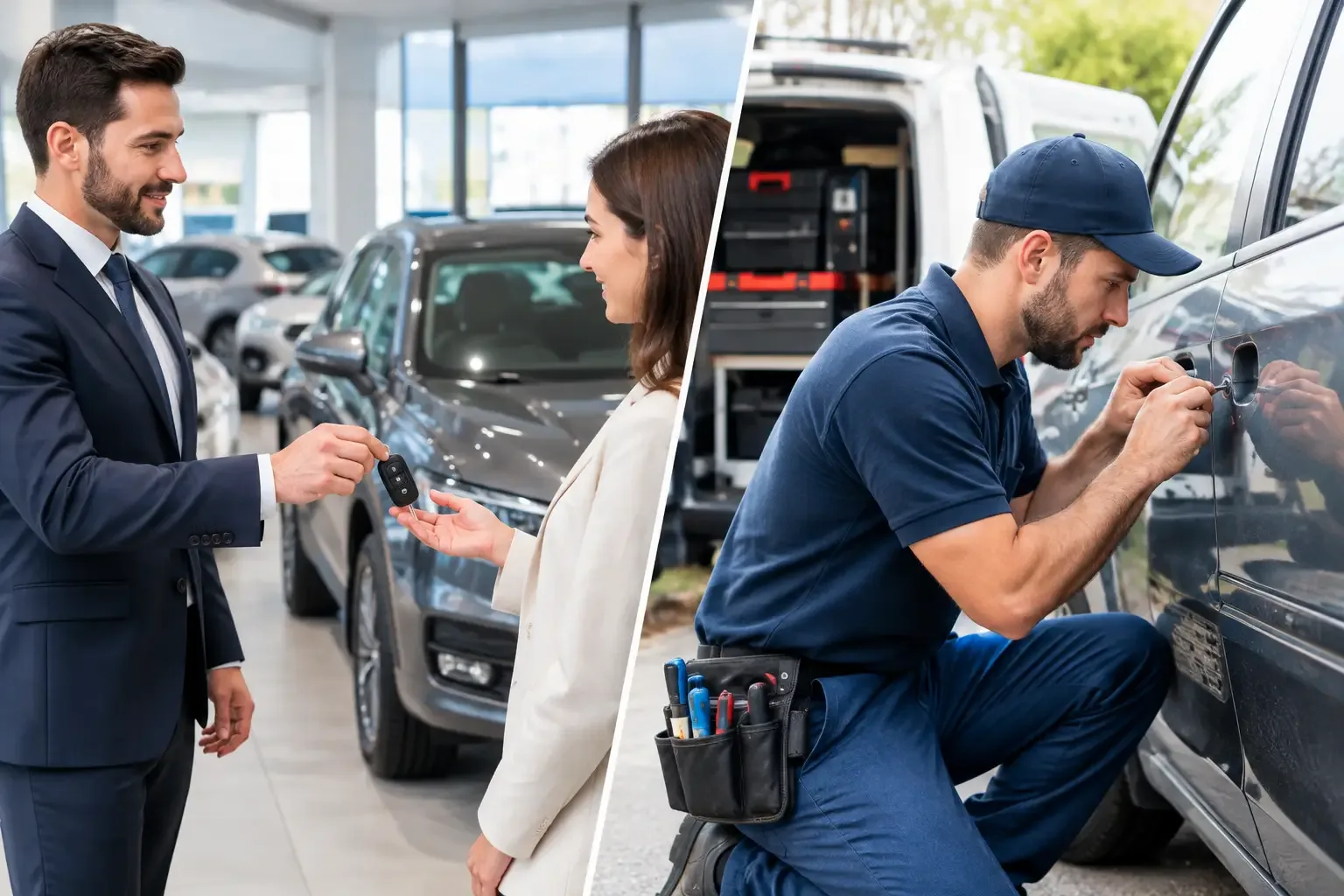
For a business, high-security hardware is useful when several employees, contractors, cleaners, or vendors need access. Instead of handing out ordinary keys that can be copied without approval, a restricted key system gives management more control. It can also be paired with a master-key plan, so employees have access only to the doors they need.
Property managers may benefit when tenant turnover is frequent or when common areas need separate access rules. A well-designed system can reduce the number of keys on a ring while keeping private units, maintenance rooms, utility areas, and offices separated.
Not every door needs the highest level of hardware. A low-risk interior closet may only need a privacy lock or basic keyed lever, while a front entry, cash office, server room, pharmacy storage area, or rear commercial door may justify a stronger solution. Spending should follow the risk, not a one-size-fits-all package.
Choosing the Right Type of Security Upgrade
High-Security Deadbolts for Homes
For most homes, the focus is a strong exterior deadbolt paired with a protected cylinder and a reinforced strike area. Single-cylinder deadbolts are common because they allow a quick exit from inside without a key. Double-cylinder models may be considered for doors with nearby glass, but they require careful planning so occupants can exit safely during an emergency.
If you want one key for multiple exterior doors, that may be possible through keying options. Convenience is helpful, but keep key control in mind. The more people who have the key, the more important it is to know where duplicates came from and who still has them.
Commercial Cylinders and Master-Key Systems
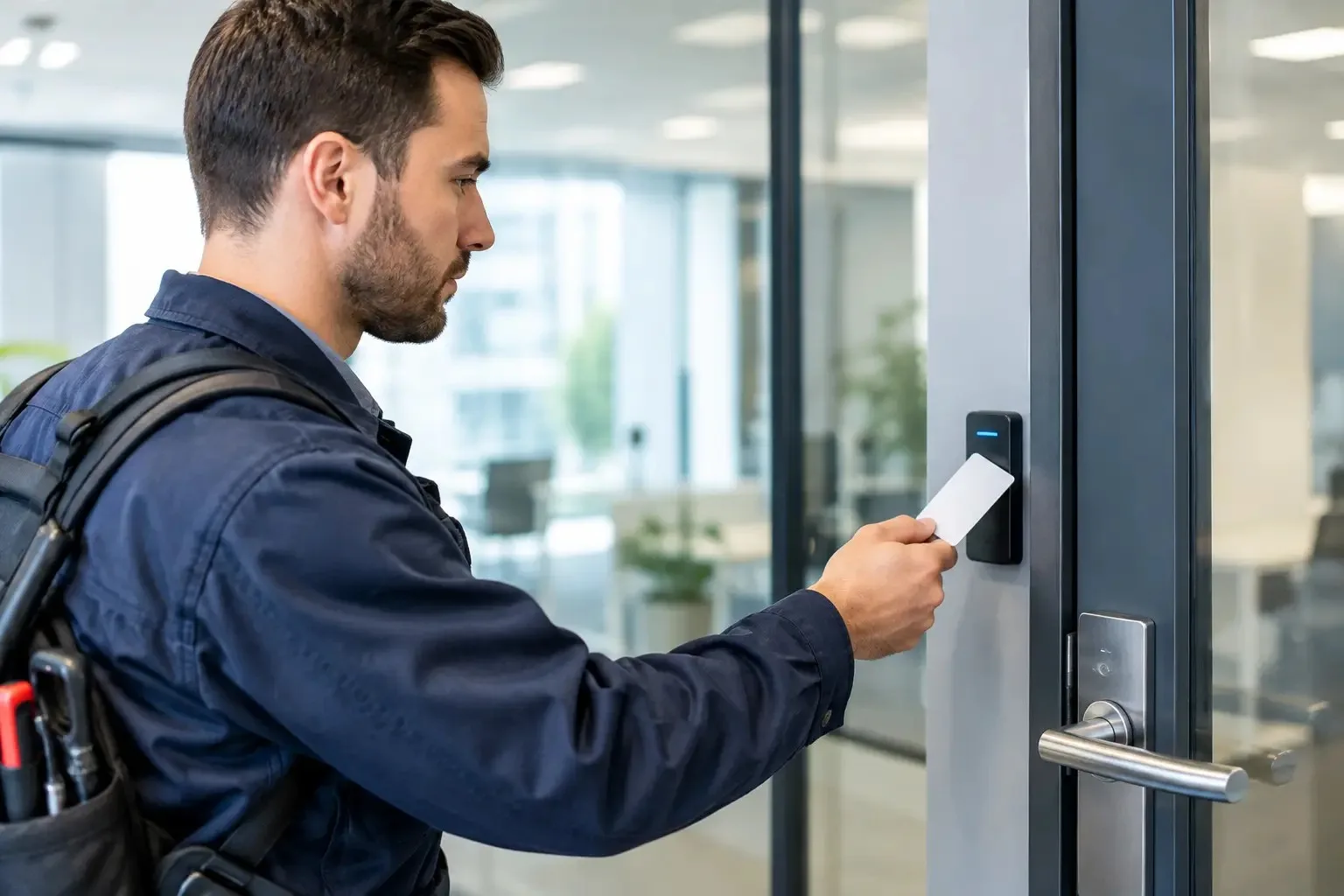
Commercial security usually requires more planning. A business may need exterior doors, offices, storage rooms, employee-only areas, and emergency exits to work together without giving every employee unlimited access.
A master-key system can simplify daily operations, but it must be designed carefully. Poorly planned systems can create too many access levels, make rekeying harder, or unintentionally allow access where it should not exist. The best approach starts with a simple access map: which people need which doors, who requires override access, and which doors need to remain separate.
High Security and Smart Locks
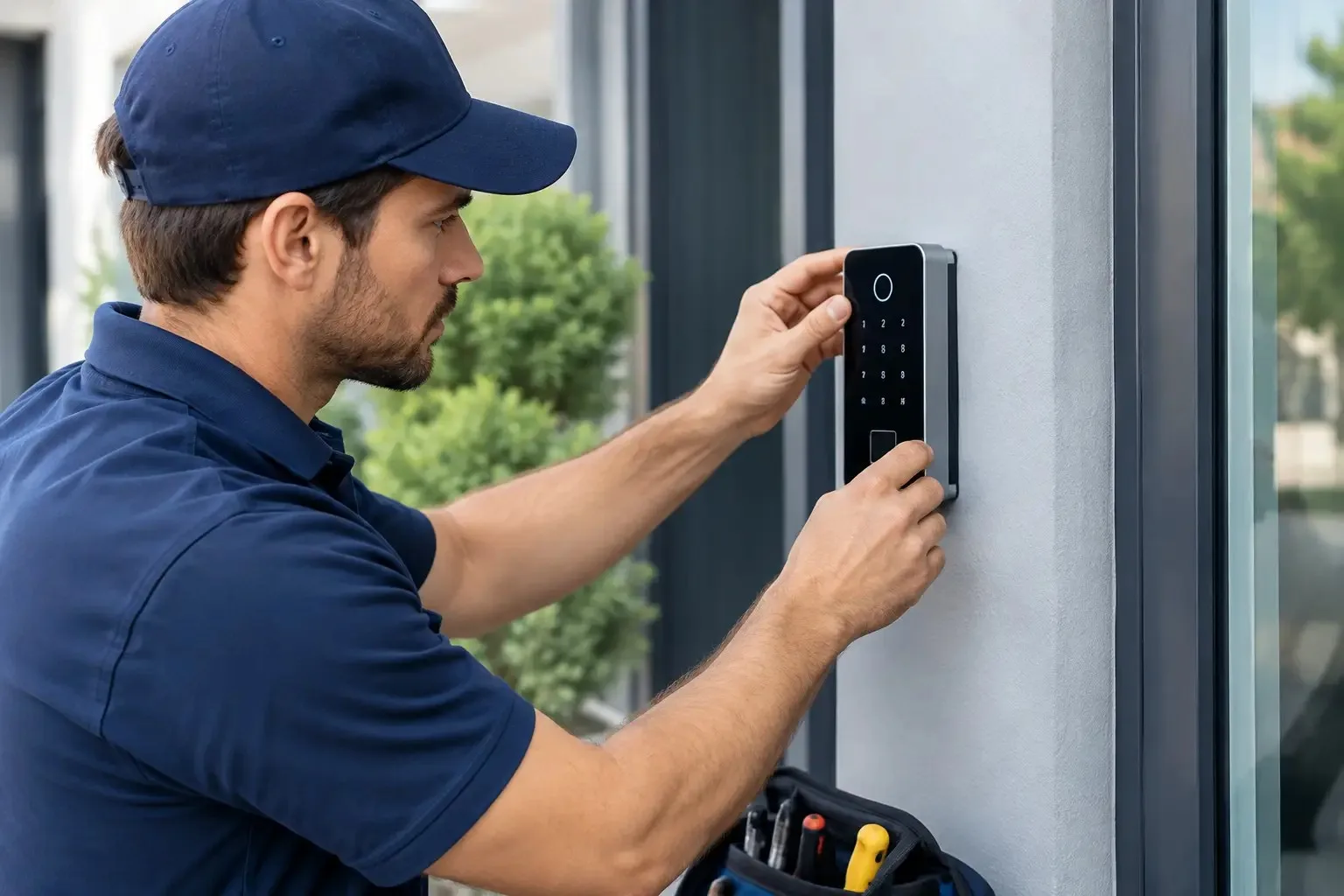
Smart locks can add convenience through codes, temporary access, audit trails, or remote management. They are not automatically a replacement for strong mechanical security. A smart lock still depends on the condition of the door, frame, latch, and installation.
For some homes and small businesses, combining a well-installed deadbolt with a quality smart lock is practical. For higher-risk commercial spaces, access control may be a better fit than a consumer-style smart lock. The right choice depends on the number of users, the need for activity records, battery maintenance, and whether access must be managed after hours.
What to Expect During Installation
A professional locksmith should start by asking what changed and what concerns you have. If the issue is a lost key, a former tenant, employee turnover, a break-in attempt, or a damaged lock, that context affects the recommendation.
Next comes an inspection of the current hardware and door condition. The technician checks measurements, backset, handing, alignment, existing holes, and whether the lock can be upgraded without unnecessary drilling or door damage. On commercial doors, they also check code-sensitive hardware such as panic bars, closers, and fire-rated openings.
Once the appropriate hardware is selected, the lock is installed, aligned, and tested from both sides. The bolt should extend smoothly into the strike without needing to lift, pull, or slam the door. Keys should operate cleanly, and the customer should understand who can authorize additional copies if the system uses restricted keys.
Before work begins, ask for clear pricing and confirmation of what is included. Hardware, labor, rekeying, extra keys, door reinforcement, and after-hours dispatch can affect the total. A reputable mobile locksmith explains the options before proceeding rather than presenting surprises after the door is already apart.
Do Not Wait for a Failed Lock
A sticking key, loose deadbolt, door that no longer latches cleanly, or visible damage around the strike plate is worth addressing before it becomes a lockout or a security gap. Minnesota weather can also expose alignment problems as doors and frames shift through temperature and moisture changes.
For urgent situations in Minneapolis and the wider Twin Cities, 24/7 Key Clinic can assess the lock and door on-site, explain the available security options, and provide pricing before dispatch. The goal is not to sell more hardware than you need. It is to leave you with a door that closes properly, locks reliably, and gives the right people access for the right reasons.
A better lock is valuable, but a correctly installed security system is what gives it a real job to do.