Dealership Versus Mobile Locksmith: What Wins?
By Keyclinic ·
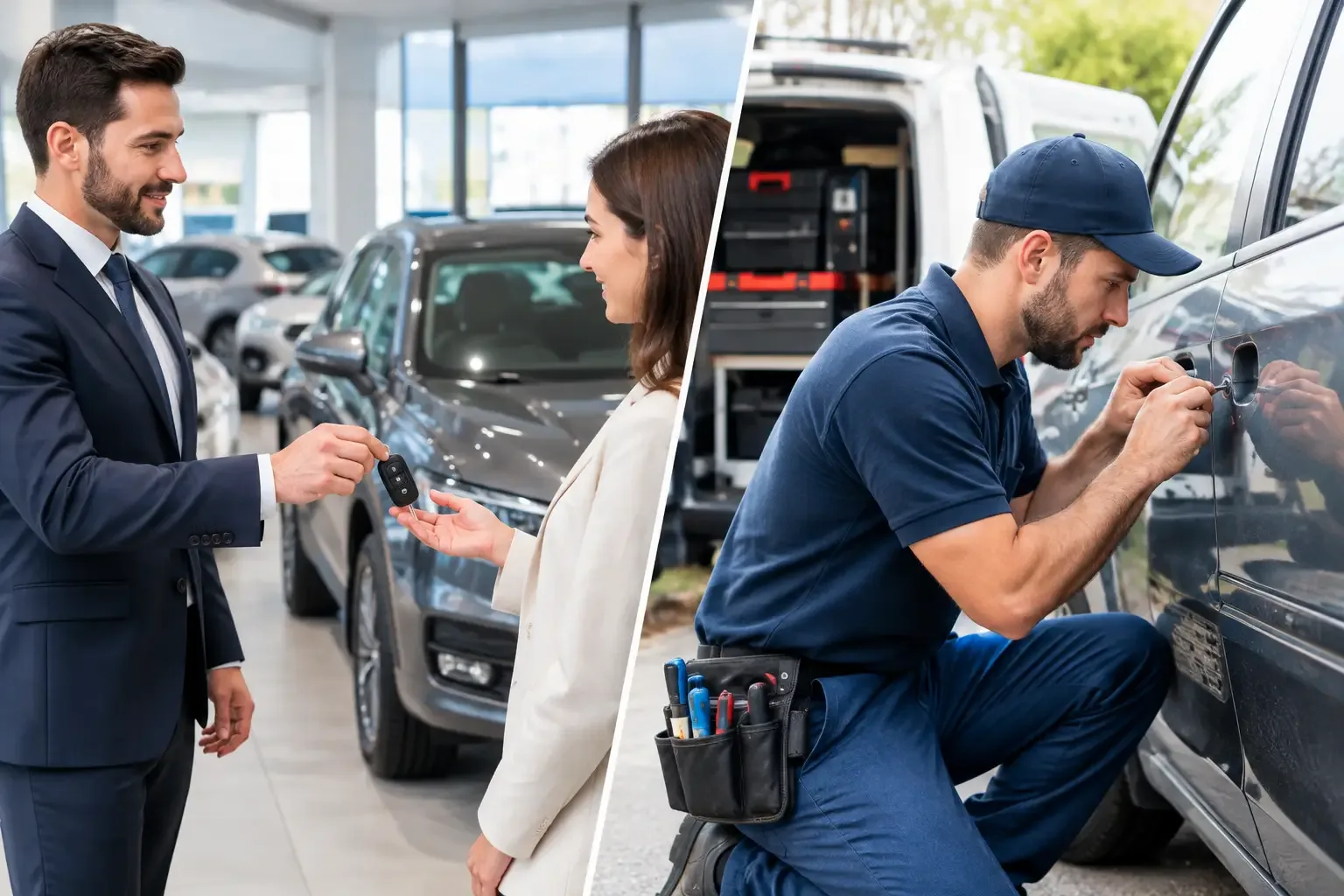
Your car key fails at 10:30 p.m. in a Minneapolis parking ramp. The vehicle will not start, the dealership is closed, and getting there may require a tow. That is when the dealership versus mobile locksmith decision stops being theoretical. The right choice depends on your vehicle, the key problem, and how quickly you need to be back on the road.
A dealership can be the right answer in certain situations. But for many lockouts, lost keys, broken fobs, and transponder programming needs, a qualified mobile locksmith can come to the vehicle and complete the work where it sits. Here is how to compare the two without guesswork.
Dealership Versus Mobile Locksmith: The Real Difference
The dealership model is built around the vehicle manufacturer. It has access to factory parts, brand-specific service information, warranty systems, and recall work. If your vehicle needs a software update, a warranty repair, or a part that is only available through the manufacturer, the dealership may be necessary.
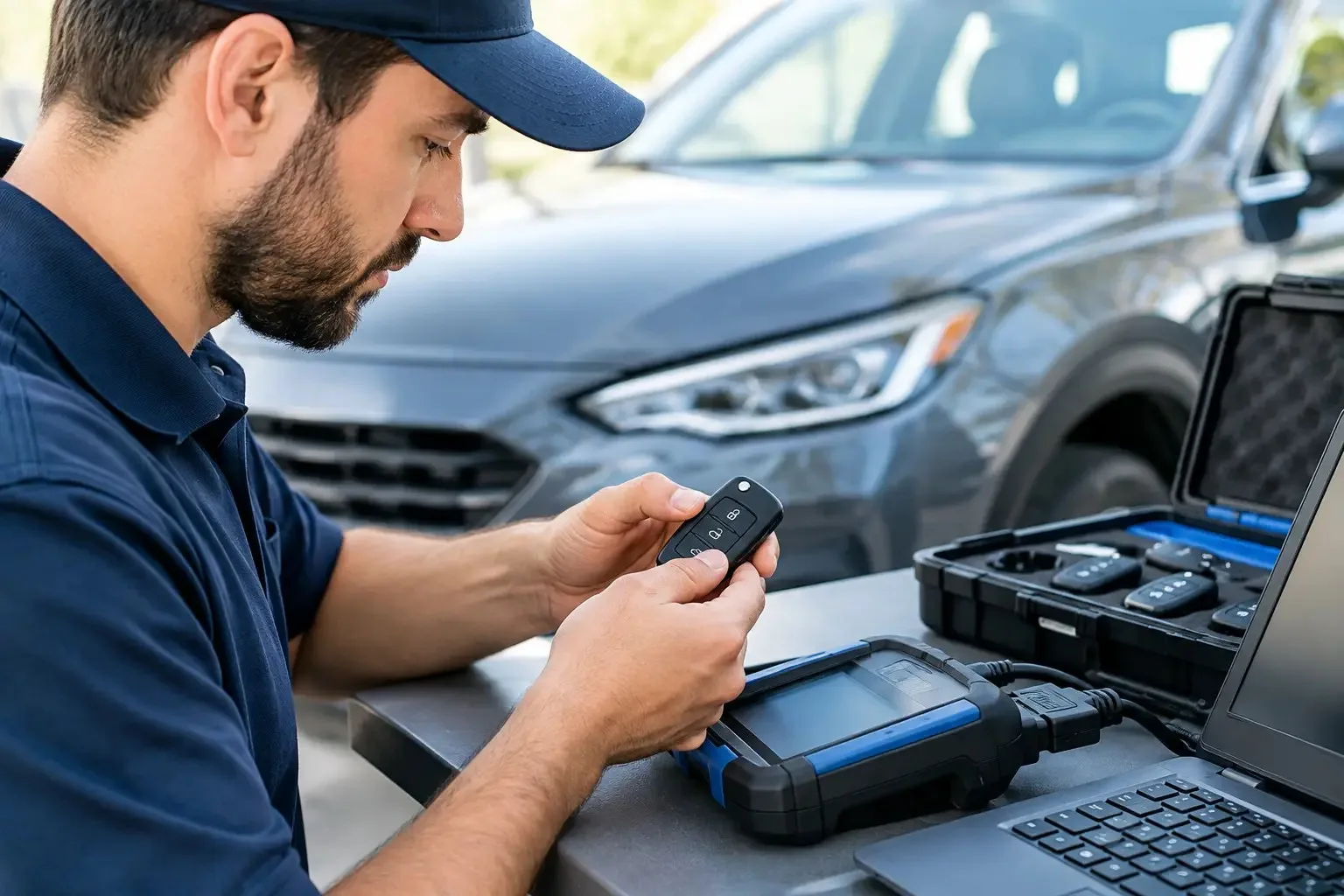
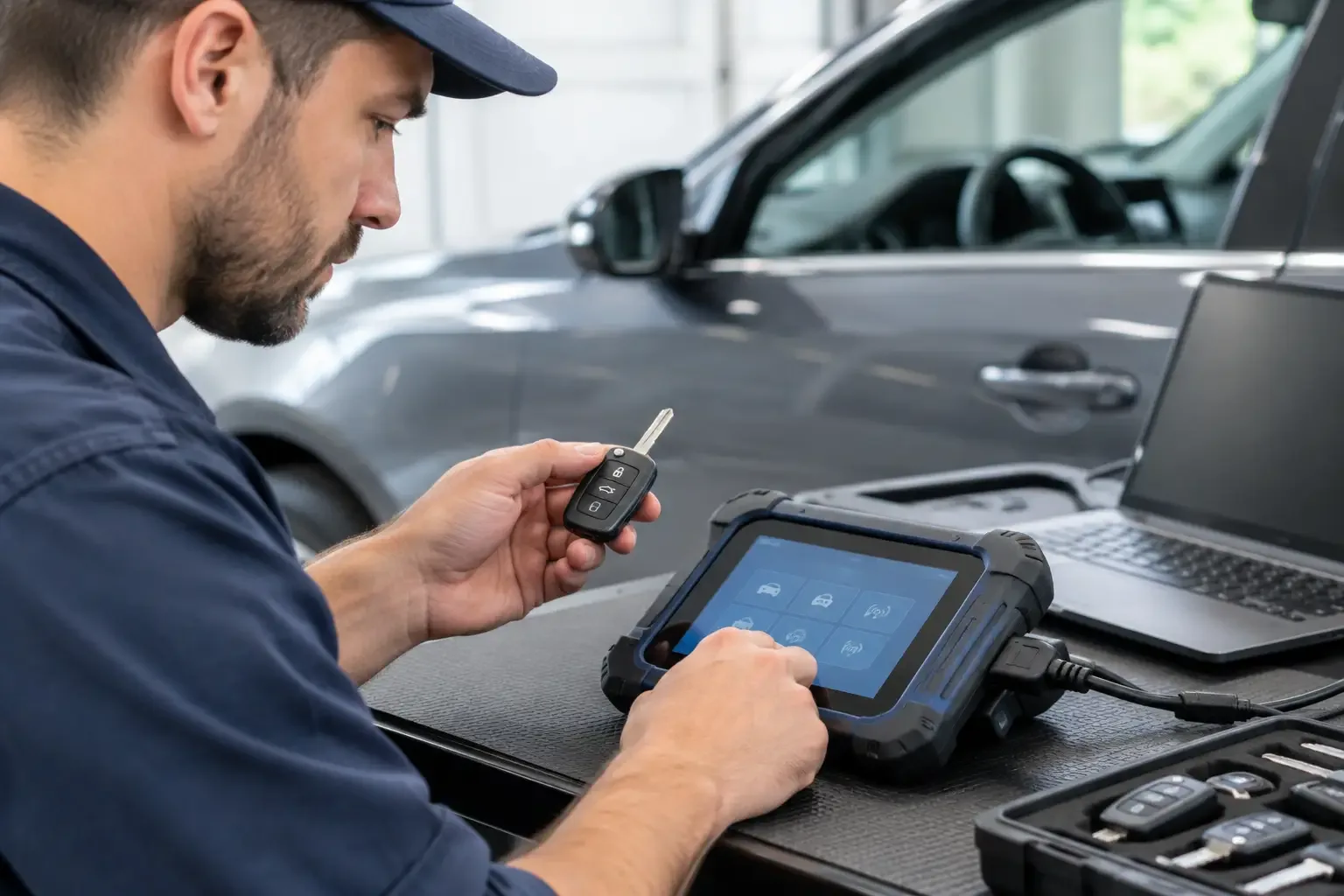
A mobile automotive locksmith is built around access. The technician travels to your location with key-cutting equipment, diagnostic tools, programming devices, key blanks, remotes, and the tools needed to open a vehicle without damaging it. Instead of bringing your car to the service department, the service comes to your driveway, workplace, apartment lot, roadside location, or parking ramp.
That difference matters most when the car cannot be driven. A missing key is not just an inconvenience. It can turn a routine dealership visit into towing, arranging a ride, taking time off work, and waiting for an appointment.
When a Dealership Makes Sense
Dealerships remain a solid option when time is not urgent and the work is tied directly to the manufacturer. For example, you may prefer a dealership if your vehicle is still under warranty and the key or ignition issue could be covered. It can also make sense when you want an original manufacturer-branded remote, need recall-related work, or have a very new or unusual vehicle that requires a system update beyond standard key programming.
A dealership may also be the better route when the problem is not actually the key. If the car has an electrical fault, a failed module, or an immobilizer issue that requires deeper factory diagnosis, the service department can investigate the full vehicle system.
The trade-off is convenience. Most dealerships operate during regular business hours, require an appointment, and expect the vehicle to be on-site. If all keys are lost, you may need to provide proof of ownership, obtain a key order, and arrange transportation for the vehicle. None of those steps are wrong, but they are not ideal when you are stranded after hours.
When a Mobile Locksmith Is the Better Call
A mobile locksmith is often the practical choice when the urgent problem is access or a working key. Common examples include a car lockout, a lost or stolen key, a damaged key blade, a dead key fob, a transponder key that will not start the vehicle, or a spare key you need made before the only working key disappears.
The major advantage is that the technician comes to you. There is no need to leave an unlocked vehicle overnight, try to force a door open, or tow a drivable car simply because the key is missing. For Twin Cities drivers, that can be especially valuable during winter weather, late-night emergencies, or a lockout far from home.
A properly equipped automotive locksmith can usually cut and program many standard keys, key fobs, remotes, and transponder keys on-site. The technician verifies ownership first, identifies the vehicle and key system, explains the available replacement options, then cuts and programs the key when the job calls for it.
This is not a shortcut around security. Legitimate locksmiths require reasonable proof that you own or are authorized to access the vehicle. Have your ID, registration, insurance card, title, or other ownership documentation ready when possible. If your documents are locked inside the car, explain that during the call so the dispatcher can tell you what will be needed once access is restored.
Speed: The Cost of Waiting Matters
If you are comparing service only by the replacement key price, you may miss the biggest expense: downtime. A dealership quote can look reasonable until towing, rideshare costs, missed work, child pickup, or an overnight parking situation are added to the equation.
Mobile service is designed to reduce those extra steps. 24/7 Key Clinic dispatches licensed, bonded, and insured mobile technicians across Minneapolis and surrounding Twin Cities communities, with upfront phone pricing before dispatch. For an emergency, the question is not just, “What does the key cost?” It is also, “How soon can I safely use my car again?”
Speed does depend on location, traffic, weather, technician availability, and the type of vehicle. A simple lockout is usually faster than producing and programming a key when every key is gone. Still, on-site service removes the dealership trip from the process.
Cost: Ask What Is Included
Neither a dealership nor a locksmith has one universal price for every key. The final cost can change based on the vehicle year, make, model, key type, remote features, keyless entry system, and whether a working key is available. Luxury vehicles, push-button-start systems, smart keys, and certain high-security keys generally require more specialized equipment and time.
The useful comparison is an all-in quote. Ask whether the price includes the service call, vehicle entry if needed, the key or fob, key cutting, programming, taxes, and any extra charge for after-hours work. If you are calling a dealership, ask whether the vehicle must be present and whether a tow is likely. If you are calling a locksmith, ask whether the technician can program that specific vehicle on-site.
A clear quote protects you from surprises. Be accurate about what happened: whether the key is lost, broken, locked inside, intermittently working, or simply needs a new battery. Those details help the provider send the right equipment and give a more reliable price range.
Not Every “Key Problem” Needs a New Key
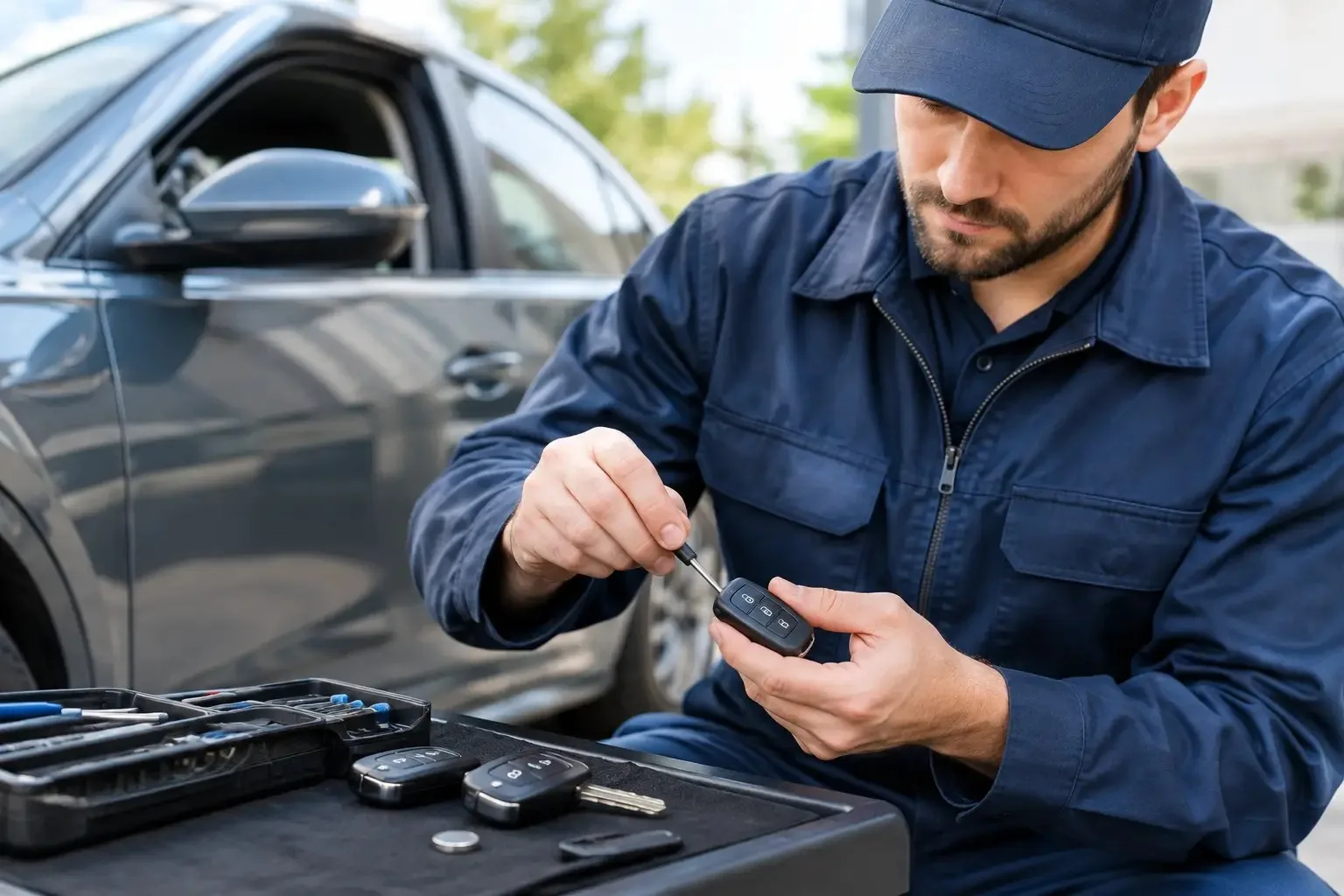
A dead fob battery, worn key blade, damaged remote shell, or loose battery contact can look like a major failure. Sometimes the issue is minor. Other times, a weak fob battery is masking a failing remote, or a key that turns but will not start the car points to a transponder or ignition problem.
Do not keep forcing a key that is sticking in the ignition or door lock. A bent or cracked key can break, creating a larger repair. Do not use wire hangers, slim-jim tools, or improvised wedges to enter a modern vehicle either. Side airbags, wiring, weather seals, and electronic locks make DIY entry riskier than it appears.
A good technician will diagnose the situation before selling you a replacement. In some cases, a new battery or repaired key shell is enough. In others, a programmed replacement key is the dependable fix. If the issue is inside the vehicle's ignition, steering column, or electrical system, you may be referred to a dealership or automotive repair shop for the next step.
What to Do Before You Call
Start by locating the vehicle identification number if you can access it. It is typically visible through the windshield on the driver’s side dashboard and may also appear on insurance or registration documents. Note the year, make, model, and whether the car uses a traditional key, remote head key, key fob, or push-button start.
Then describe your location as precisely as possible. For a parking ramp, include the ramp name, level, entrance, and any gate restrictions. For roadside help, provide a safe landmark and let the dispatcher know if traffic, weather, or poor lighting creates a safety concern. If you believe a key was stolen, say so. The technician can discuss replacement options and whether removing the missing key from the vehicle’s memory is appropriate.
Keep yourself safe while waiting. Stay in a well-lit public area when possible, avoid standing near traffic, and do not leave children or pets in a locked vehicle. If there is an immediate medical or safety emergency, call 911 first.
The Best Choice Is the One That Gets You Moving Safely
Dealership service has a clear place for warranty work, recalls, factory-only parts, and complex vehicle repairs. Mobile locksmith service is often the better fit for urgent access problems and replacement keys that can be cut and programmed where the car is parked.
Before choosing, ask one practical question: do you need manufacturer repair, or do you need a working key and safe access right now? The answer usually makes the next call clear.