How to Program a Replacement Car Key Safely
By Keyclinic ·
A missing key can turn a normal Minneapolis morning into a stranded-car problem fast. To program replacement car key systems correctly, the new key must do more than fit the ignition or unlock the door. It has to communicate with your vehicle’s security system, and that step is where many DIY attempts go wrong.
For some older vehicles, programming a replacement key is simple enough to do at home with working keys and the right instructions. For many newer cars, trucks, and SUVs, it requires diagnostic equipment, vehicle-specific software, and proof that you own the vehicle. Knowing the difference can save you from buying the wrong key, damaging a remote, or paying twice for the same job.
What It Means to Program a Replacement Car Key
Modern vehicle keys are security devices. A traditional metal key only needs the right cuts to turn the lock. A transponder key, remote-head key, key fob, or push-button-start smart key also contains an electronic chip. Your vehicle reads that chip before allowing the engine to start.
Programming matches the new key or fob to your vehicle’s immobilizer system. If the key blade is cut correctly but the chip is not programmed, it may unlock the door but the vehicle may crank without starting. In other cases, a key fob may start the car but fail to operate lock, unlock, trunk, panic, or remote-start functions until those features are synchronized.
The process depends on your vehicle’s year, make, model, trim level, and key type. Two vehicles from the same manufacturer can use completely different systems. That is why a universal set of online programming instructions is not always reliable.
First, Identify the Type of Key You Have
Before ordering a replacement, look at the key you are replacing and how your vehicle starts. The most common types include a basic metal key, a transponder chip key, a remote-head key with buttons built into the key, a separate key fob, and a proximity smart key for push-button ignition.
A basic metal key may only need cutting. Most cars made during the past two decades use some form of transponder system, even when the key looks ordinary. Push-button-start vehicles usually require a programmed smart key or fob, and these systems often need professional equipment.
The key’s appearance alone is not enough. A key may have a hidden chip inside, while a remote can look identical to another model but use a different frequency or programming method. Confirm the vehicle identification number, year, make, model, and trim before buying anything.
Can You Program a Replacement Car Key Yourself?
Sometimes. If you have at least one working programmed key, certain older vehicles allow an additional key to be programmed through a sequence of ignition cycles. The owner’s manual may provide the procedure. A few remotes can also be paired through a button-and-ignition sequence.
That option has limits. The process must be followed precisely, and it will not work for every vehicle. You also need a compatible key with the correct chip, frequency, and key blade. A low-cost key bought online may look right but still fail because its electronics are incorrect, locked, previously used, or poorly made.
DIY programming becomes much less realistic when all keys are lost. Many vehicles require security access through specialized locksmith or dealer tools before any new key can be added. Some makes use PIN codes, online authorization, encrypted modules, or system resets. Guessing at the process can trigger an immobilizer issue, drain the battery, or leave you with a key that still will not start the vehicle.
What a Mobile Locksmith Does On-Site
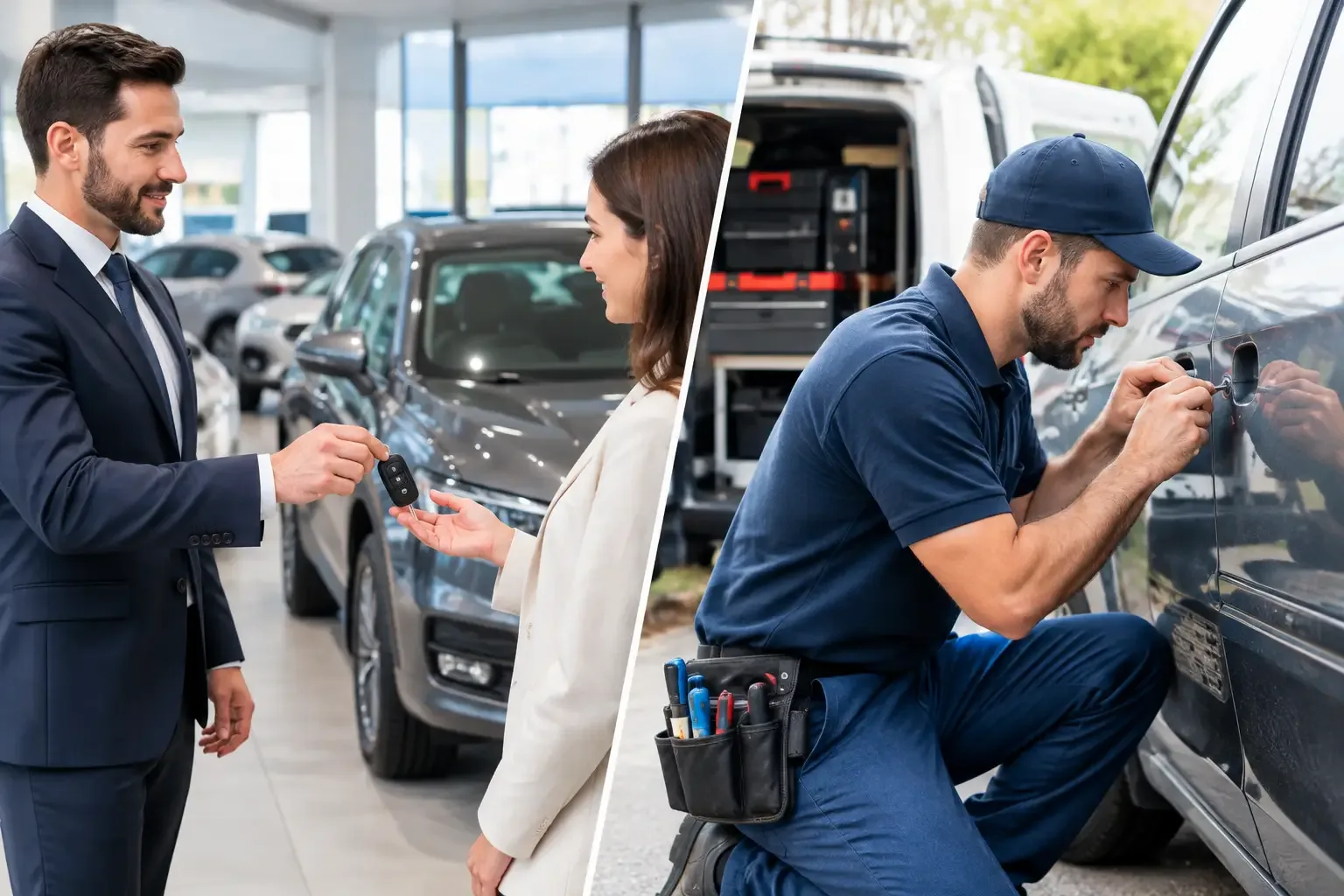
When you need a replacement key without towing your car to a dealership, a properly equipped mobile locksmith can handle the job where the vehicle is parked. That matters when you are stuck in a work lot, apartment garage, airport ramp, driveway, or on the side of the road.
The technician begins by confirming ownership and identifying the correct key system. Expect to show a valid photo ID and vehicle registration, title, insurance document, or other accepted proof connecting you to the vehicle. This protects you, your vehicle, and everyone else on the road.
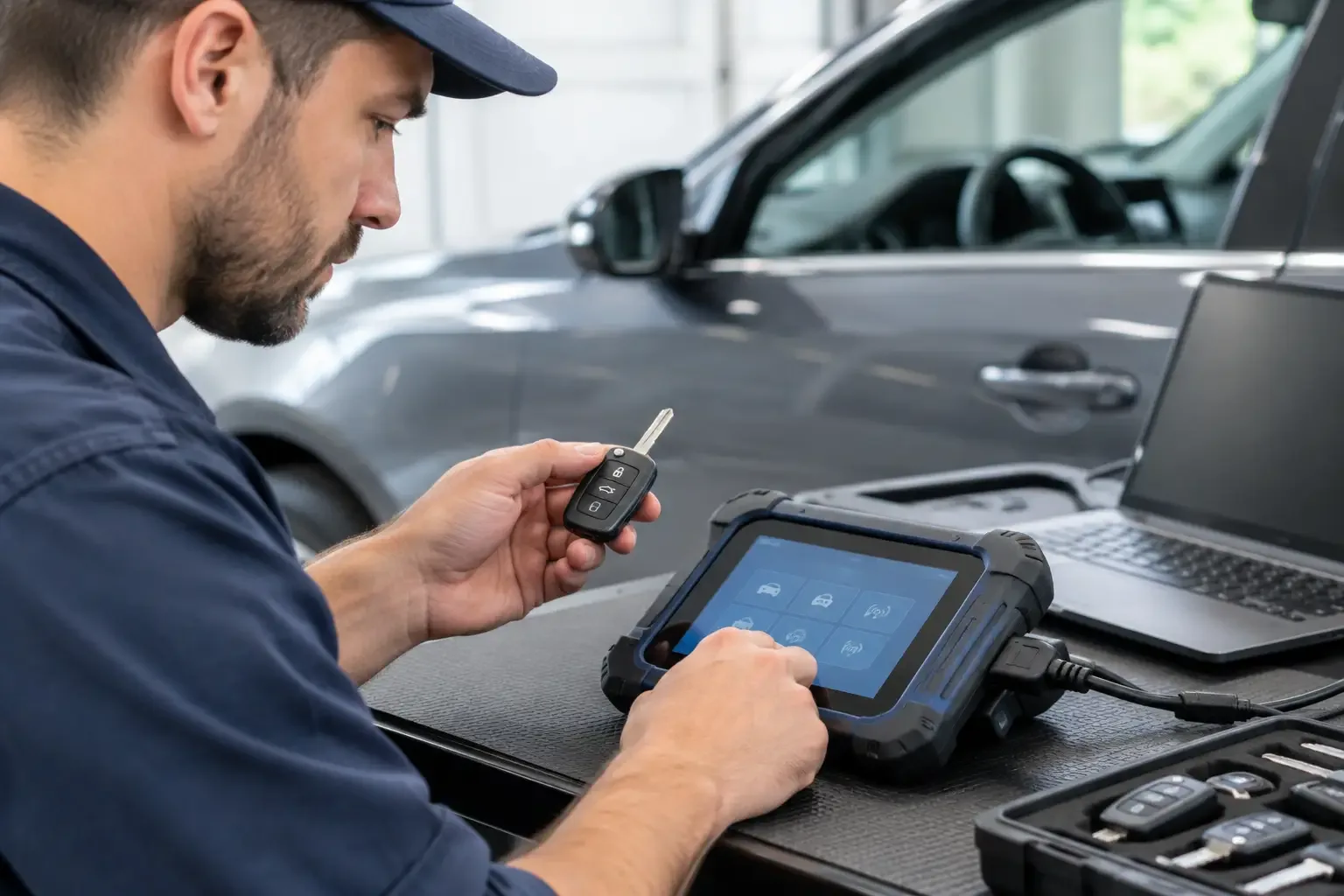
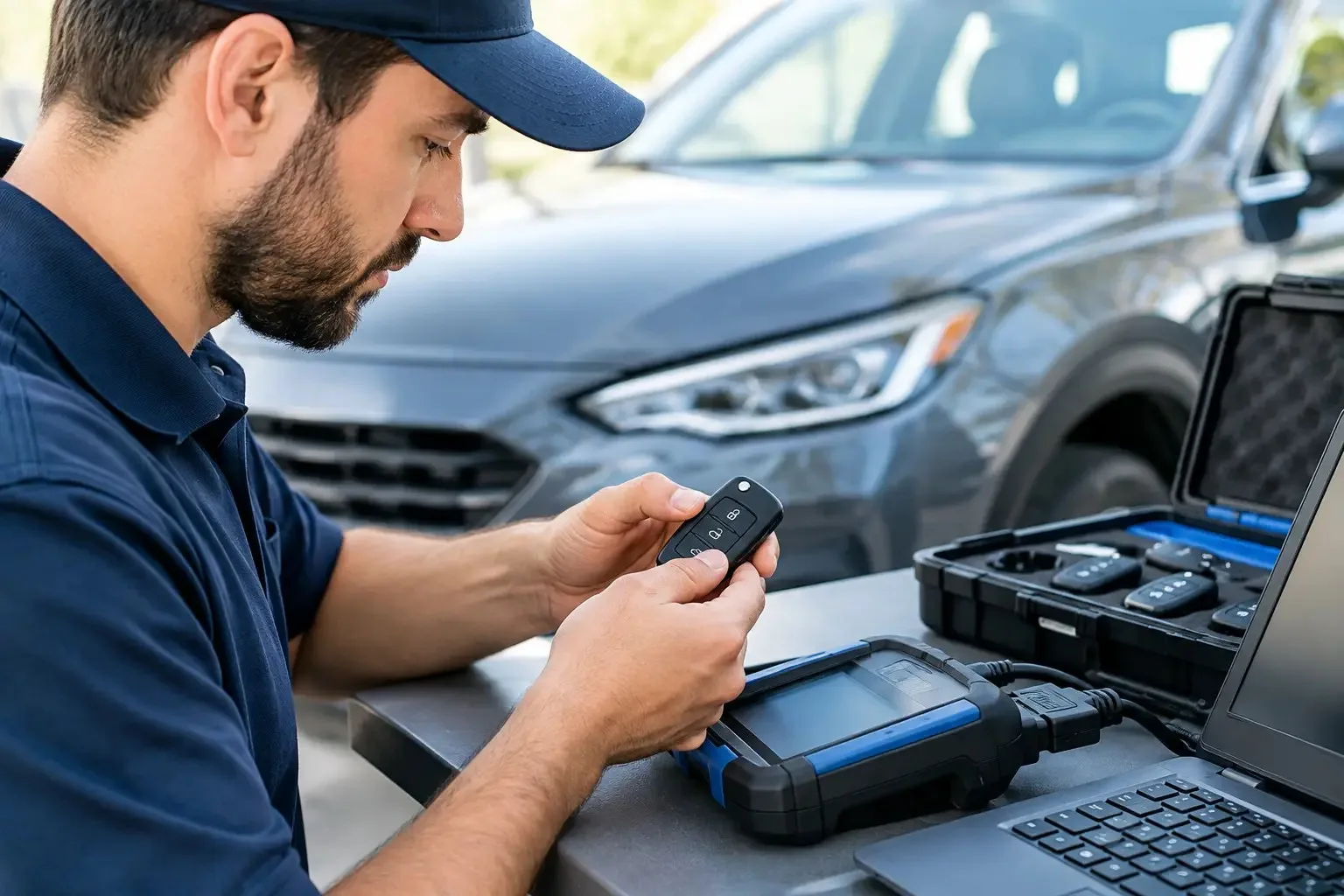
Next, the technician cuts the mechanical key if your vehicle uses one. The new transponder, remote, or smart fob is then programmed with professional diagnostic equipment. Once programming is complete, the technician should test the functions that apply to your key, including starting the vehicle, door locks, trunk release, panic button, and proximity detection.
A qualified locksmith can also erase missing keys from the vehicle’s memory when the system allows it. This is a smart security step after a stolen key, a lost fob, or a key that may be in someone else’s possession. The old key may still open the door if its metal blade fits, but removing it from the immobilizer system helps prevent it from starting the vehicle.
When Professional Programming Is the Better Choice
Call a professional instead of experimenting if you have lost every working key, your vehicle has push-button start, the key has been stolen, or an attempted DIY program has failed. The same applies when the vehicle displays a security warning, key-not-detected message, or immobilizer light.
Professional service is also the safer route if you need help outside normal business hours. A car without a programmed key cannot be driven to a dealer. In the Twin Cities, a mobile technician can come to the vehicle, which avoids arranging a tow and waiting for a service department appointment.
24/7 Key Clinic provides mobile car key cutting and programming for many common vehicle makes throughout Minneapolis, St. Paul, and surrounding communities. A technician can confirm the likely solution and provide upfront phone pricing before dispatch, so you know what to expect before help is on the way.
What Affects Replacement Key Programming Cost
There is no one price for every car key because the equipment and parts vary. A basic transponder key generally costs less than a proximity smart key. A replacement is usually simpler when you still have a working key than when all keys are lost.
The vehicle’s security system, key availability, programming method, time of service, and location also matter. Some premium, imported, and late-model vehicles have more complex key systems. If a car is in a locked parking ramp or has a dead battery, additional access or diagnostic work may be needed.
The best approach is to provide accurate vehicle details when requesting a quote. Have the year, make, model, key type, and your location ready. Mention whether any working keys remain and whether the vehicle starts with an ignition cylinder or a push button. That gives the dispatcher the information needed to send the right technician and equipment.
Avoid These Common Replacement Key Problems
The cheapest key is not always the least expensive outcome. Buying an unverified blank or used fob can lead to compatibility problems, and some used smart keys cannot be reused at all. A key can also be cut incorrectly if the seller does not have accurate key-code information.
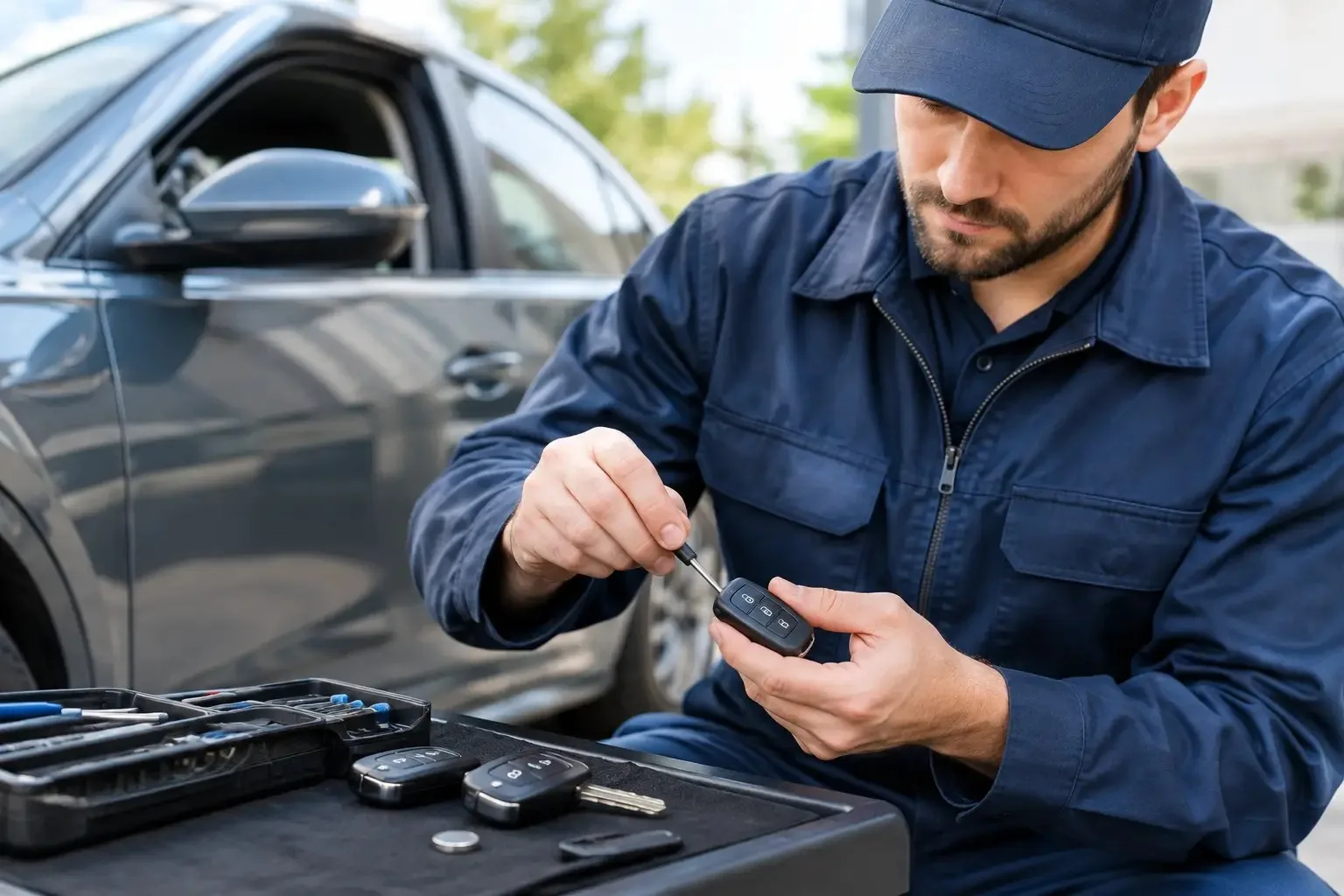
Do not leave your only remaining working key inside the vehicle while testing a replacement. Keep it with you until the new key has been fully tested. If your new fob uses a replaceable battery, make sure the battery is fresh before assuming programming failed.
After the replacement is working, store a spare key somewhere secure and separate from your vehicle. A spare at home is useful. A spare hidden in or under the car is not. If a key was stolen rather than simply misplaced, ask about removing it from the vehicle’s authorized key memory.
A replacement car key should restore more than access to the driver’s seat. It should let you leave safely, protect the vehicle from unauthorized use, and spare you another emergency later. If you are stuck now, have your vehicle details and proof of ownership ready, then get a qualified mobile locksmith moving before the delay gets bigger.