Master Key System for Safer Business Access
By Keyclinic · · Updated

A tenant is locked out of a storage room, the cleaner needs access after hours, and the property manager is carrying a ring of keys that could open a hardware store. That is usually the moment a master key system stops sounding like a nice upgrade and starts looking necessary. For Twin Cities businesses, apartment buildings, churches, medical offices, and multi-unit properties, the goal is simple: give each person access to the doors they need, and no more.
A well-planned system reduces key clutter without turning every key into an all-access pass. The difference comes down to hierarchy, key control, and professional installation. Get those right, and daily access becomes easier to manage. Get them wrong, and one missing key can create a serious security problem.
A Master Key System Is Not One Key for Every Door
The name can be misleading. A master key system does not mean every employee receives a master key. It is a group of compatible locks designed so different keys open different combinations of doors.
For example, an employee may have a key for the front entrance and their office. A department manager may open those doors plus a supply room. The building manager may carry a master key for most common areas and offices. Individual rooms can still retain their own unique keys.
The hierarchy can be as simple or detailed as the property requires. A small retail shop may need only two levels: employee keys and an owner key. A larger office, apartment property, or school may need several levels, such as:
Change keys for one door or one suite
Sub-master keys for a department, floor, or building section
Master keys for the full property
Grand master keys for multiple buildings under the same management
More levels offer more control, but they also make planning more important. A system should reflect how people actually move through the property, not just the boxes on an organization chart.
When a Master Key System Makes Sense
If you routinely hand out a bundle of keys, a master key system deserves a closer look. It is particularly useful where several staff members, vendors, tenants, or managers need different access permissions.
Property managers can issue a key that opens a tenant's unit only when appropriate, while retaining access for maintenance and emergencies under established policies. A business owner can limit staff access to public entrances, restrooms, and assigned work areas while keeping cash offices, server rooms, records storage, and mechanical rooms restricted.
This is not only about convenience. Fewer keys reduce confusion during an emergency. When a pipe bursts at 2 a.m. or an alarm trips after closing, the right person should be able to reach the affected area without guessing which key ring belongs to which door.
That said, a master key system is not the best answer for every property. A single-family home with three exterior doors may benefit more from having the locks rekeyed alike. A business that needs audit trails, immediate credential cancellation, or frequently changing schedules may be better served by electronic access control, possibly alongside mechanical locks. The right choice depends on the property, the risks, and how often access needs change.
Plan the System Before Rekeying Any Locks
The most important work happens before a technician changes a cylinder. A master key system should begin with a clear access plan.
Start by identifying every controlled opening. Include exterior doors, offices, storage rooms, gates, utility rooms, closets, detached garages, and interior spaces containing sensitive equipment or records. Then identify who needs access and when. A key assigned to a daytime receptionist should not automatically open an after-hours supply room simply because it is convenient.
Next, separate doors by security level. Exterior and high-value areas often call for higher-security hardware, restricted keyways, or both. Interior doors may need standard commercial cylinders if the risk is lower. Matching every door to the same level of hardware can waste money in some areas and underprotect others.
A locksmith can map the system using a keying schedule. This document shows which key operates each door and which master levels apply. It should be treated as a security document, not left in an unlocked desk drawer or emailed widely throughout the company.
Keep the hierarchy practical
A common mistake is creating too many exceptions. If every manager needs a slightly different combination of doors, the system becomes harder to maintain and more likely to produce security gaps. Group doors logically by role, floor, suite, or function whenever possible.
Another mistake is giving master access to people who only need temporary convenience. A vendor, seasonal worker, or new employee should usually receive the lowest access level that lets them do their job. Access can expand later if there is a real operational need.
Security Depends on Key Control
A master key is valuable because it opens multiple doors. That also means a lost master key carries more risk than a lost single-door key.
Every system needs a written key-control process. Decide who can authorize new keys, who keeps the key records, and what happens when an employee leaves or a key is not returned. Keep a simple sign-out record for master and sub-master keys. It does not need to be complicated, but it should answer three questions quickly: Who has this key? What does it open? Was it returned?
Restricted keyways can add another layer of control. These are key systems designed to limit unauthorized duplication, typically requiring the property owner's authorization through the locksmith. They are useful for offices, managed properties, and facilities where keys pass through many hands.
No key system is immune to misuse. Restricted keys help control copying, but they do not replace good policies. If a master key is missing, assume it may be copied or in the wrong hands until you can verify otherwise. Depending on the key's access level, rekeying affected locks may be the responsible move.
Rekeying vs. Replacing Locks
Many properties can build a master key system by rekeying existing locks. Rekeying changes the internal pin configuration so old keys no longer operate the cylinder. It is often faster and less expensive than replacing complete locksets when the existing hardware is in good condition and compatible with the proposed system.
Replacement makes more sense when locks are worn, damaged, outdated, or not suitable for the building's security needs. A commercial exterior door with a weak or failing lock is not a good candidate for a keying upgrade alone. The hardware needs to perform reliably before it becomes part of a larger access plan.
Compatibility matters too. Different brands, keyways, and lock types do not always work together. A qualified locksmith should inspect the doors, cylinders, deadbolts, lever sets, panic hardware, and any existing master keys before promising a specific design. That inspection prevents a costly plan built around locks that cannot support it.
What to Expect During Installation
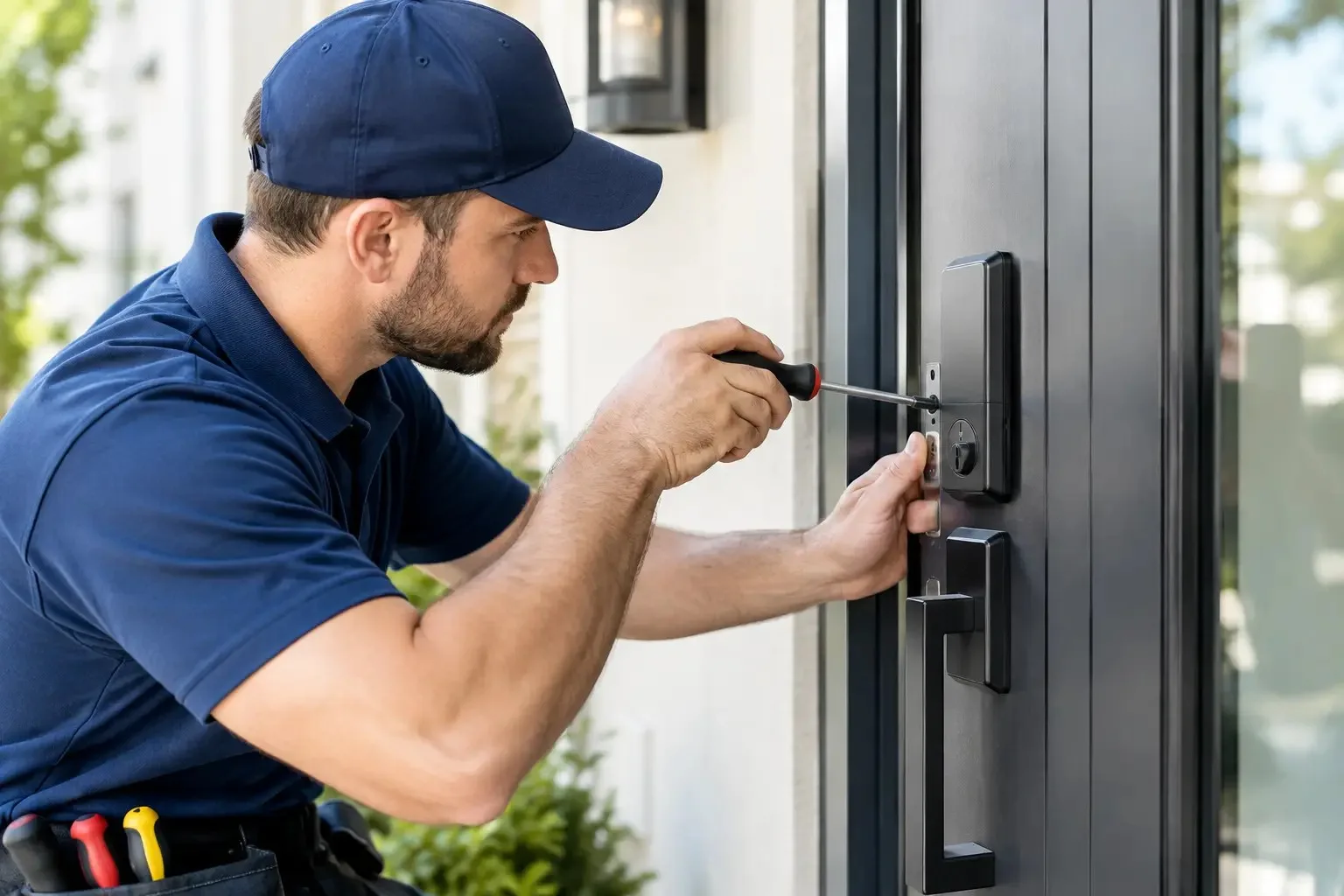
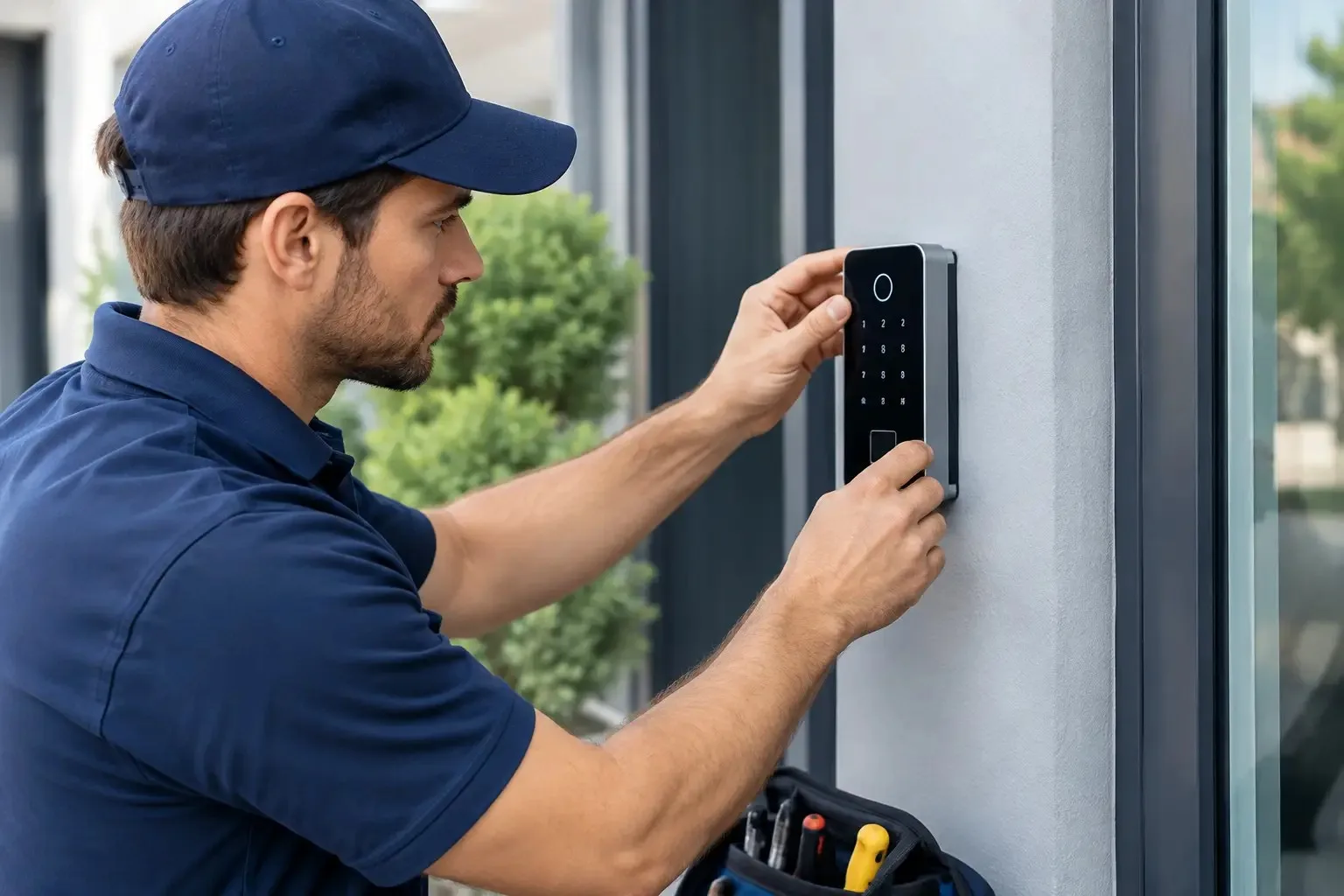
For an occupied property, installation should be organized around minimizing disruption. A technician can work door by door, rekeying or replacing cylinders, testing every key level, and confirming that each door latches and locks correctly. The final handoff should include labeled keys and a clear explanation of which keys are assigned to which roles.
Before work begins, ask for upfront pricing that separates labor, cylinders or hardware, key quantities, and any high-security components. The lowest quote is not always the lowest long-term cost if it leaves weak exterior hardware in place or provides no plan for future keys.
For Minneapolis-area businesses and property managers, 24/7 Key Clinic can assess existing commercial locks, design a practical hierarchy, and complete master-key rekeying on site. This is especially useful after a staff change, tenant turnover, lost master key, break-in, or purchase of a new property.
A System That Still Works Six Months Later
The real test of a master key system is not installation day. It is the day a manager is out sick, a new tenant moves in, a contractor needs temporary access, or a key goes missing. The people responsible for the building should know exactly who can approve keys and what to do when access changes.
Keep the key schedule current, recover keys promptly when roles end, and review access after major staffing or tenant changes. A clean, well-managed system gives people the access they need without putting the whole property on one crowded key ring. That is the kind of control that makes a busy building easier to run and harder to compromise.