Vehicle Lockout Service: What Happens Next
By Admin ·
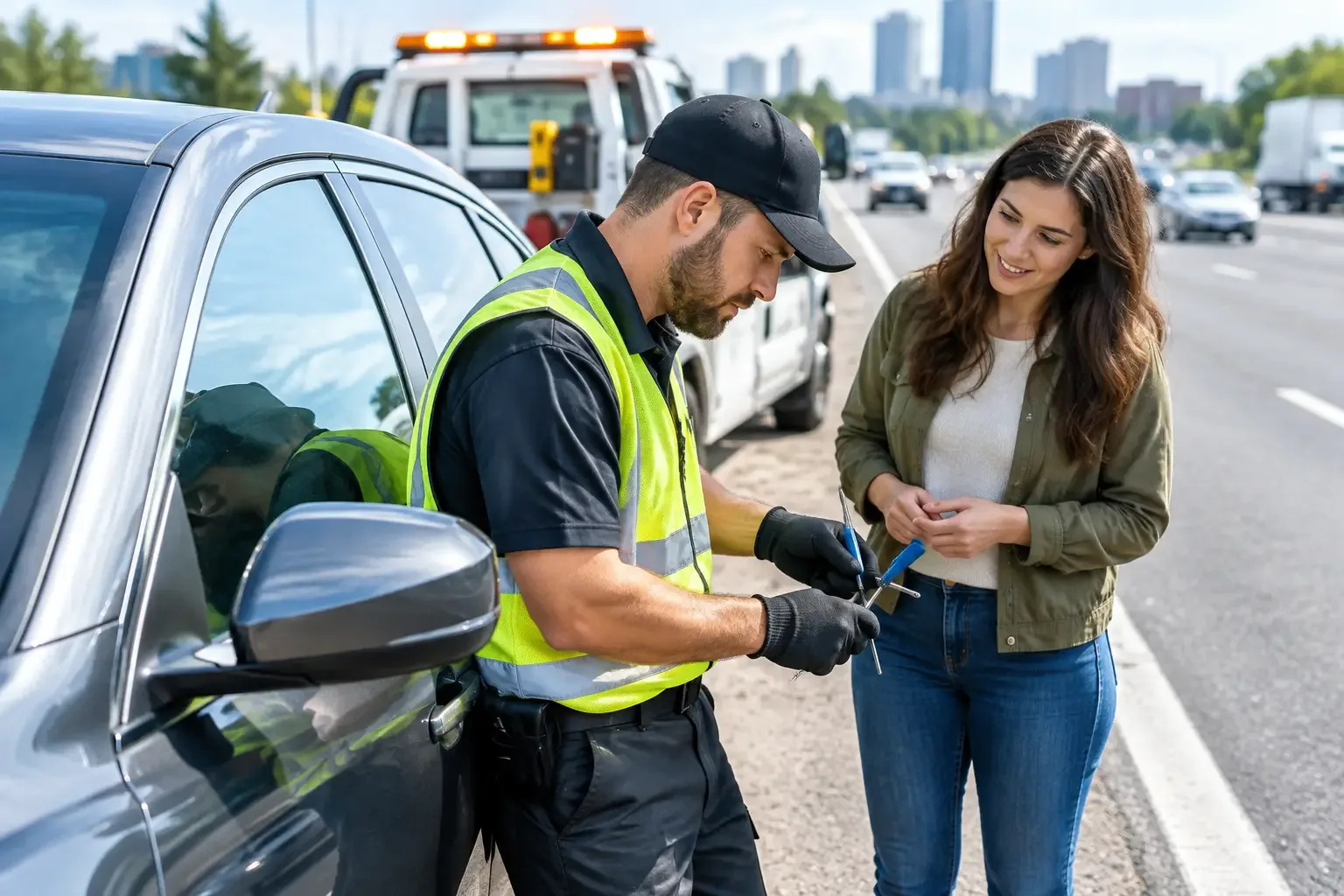
Your keys are sitting on the driver’s seat. Your engine is off, the doors are locked, and you are standing in a Minneapolis parking ramp with groceries, kids, or a phone battery that is getting low. This is exactly when a vehicle lockout service needs to be simple: call, get a clear price, and have a qualified mobile technician come to your location.
A car lockout is disruptive, but it does not need to turn into a tow, a broken window, or an expensive trip to the dealership. The right locksmith arrives equipped to open the vehicle without damaging the lock, door, weather stripping, or glass. If the key is lost, broken, or no longer working, they can often handle the next step on-site too.
Locked Out? Start With Safety
Before you focus on the keys, look at your surroundings. If you are stuck on a busy roadside, move away from traffic if it is safe to do so. If a child, pet, or vulnerable person is locked inside a vehicle, call 911 immediately. Tell dispatch where you are, what kind of vehicle is involved, and whether the engine is running or temperatures are dangerous.
For a standard lockout, stay near the vehicle in a visible, well-lit place when possible. Parking ramps, apartment lots, airport areas, and late-night streets can make an already stressful situation feel worse. A local mobile locksmith should confirm your location, provide an estimated arrival time, and explain the price before dispatching a technician.
Avoid forcing the door with a coat hanger, screwdriver, wedge, or online DIY tool. Modern doors contain wiring, airbags, sensors, trim clips, and side-impact components. A small mistake can bend the frame, tear the weather seal, damage paint, or create a repair bill far larger than professional service.
What a Vehicle Lockout Service Does
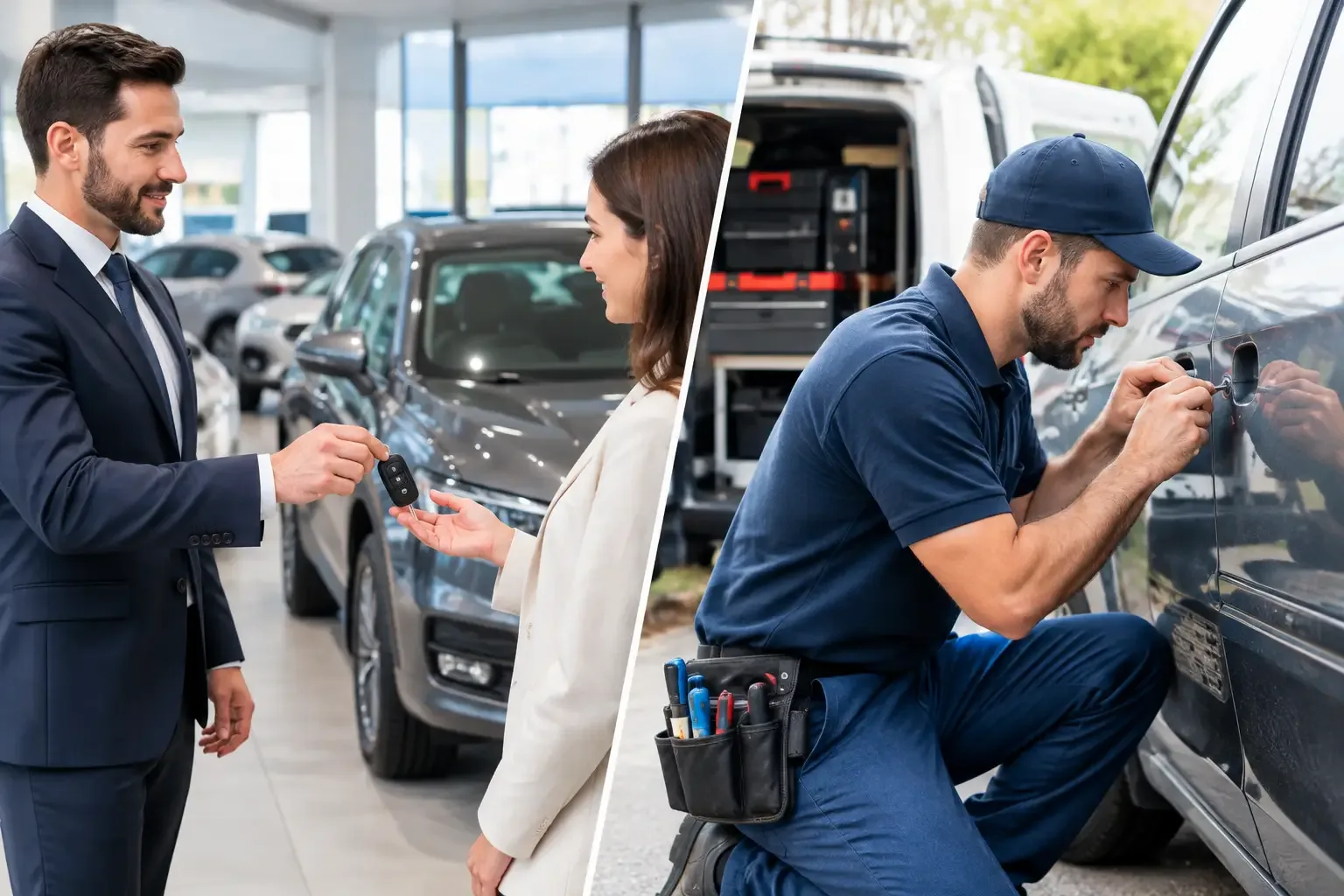
Vehicle lockout service is more than pulling a door open. A trained locksmith identifies the vehicle, verifies authorization, and selects an entry method suited to that make, model, and lock system. The goal is controlled, non-destructive entry.
Depending on the vehicle, the technician may use professional air wedges, reach tools, specialty picks, or manufacturer-appropriate techniques to access the interior. The process should be deliberate, not rushed or improvised. Newer vehicles can have double-locking systems, electronic handles, side airbags, and sensitive window channels that require extra care.
After entry, the technician checks that the door closes and locks correctly. If your keys are visible inside, that may be the end of the call. But many lockouts involve a bigger issue: a misplaced key fob, a dead remote battery, a snapped key blade, or a transponder key that no longer starts the car.
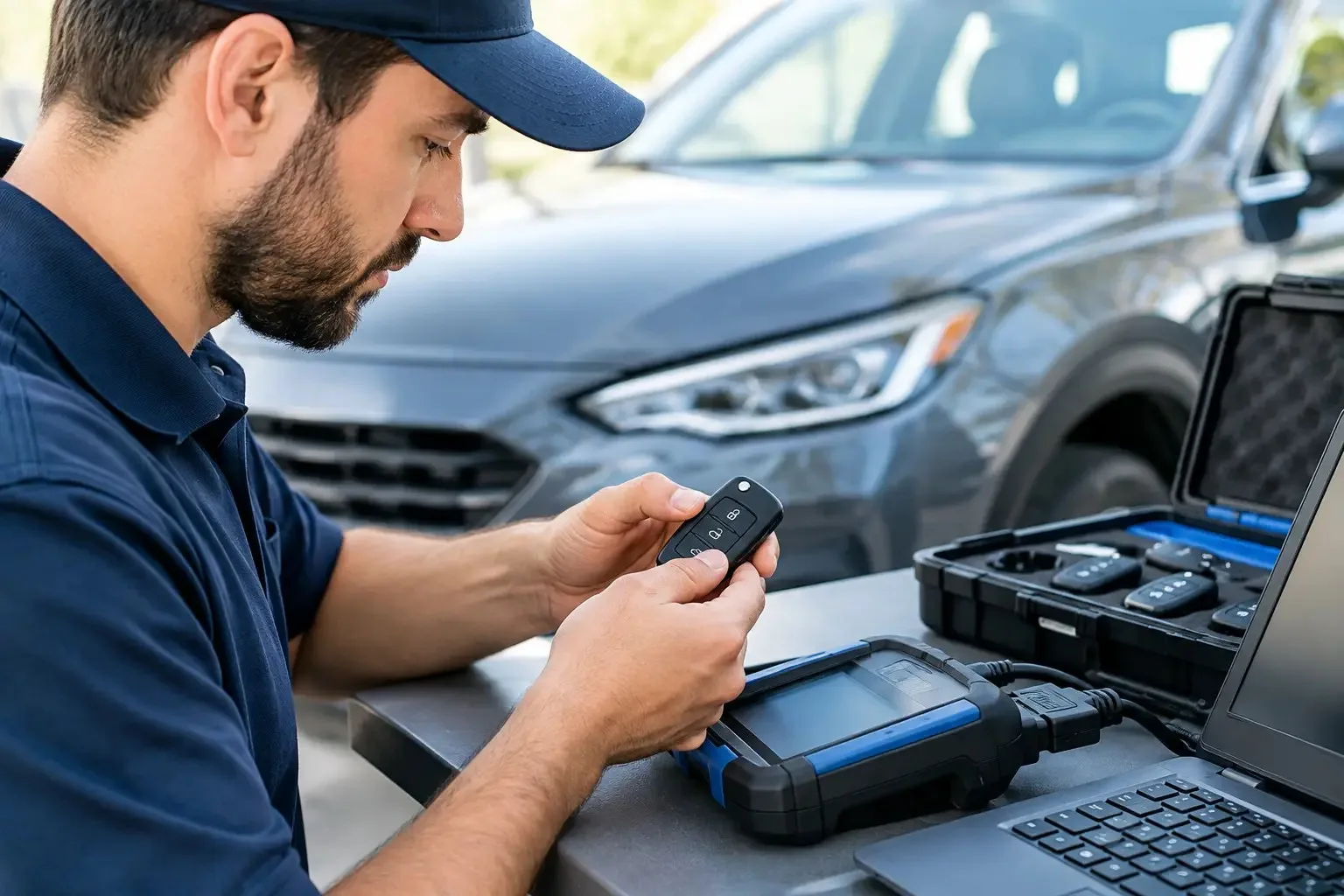
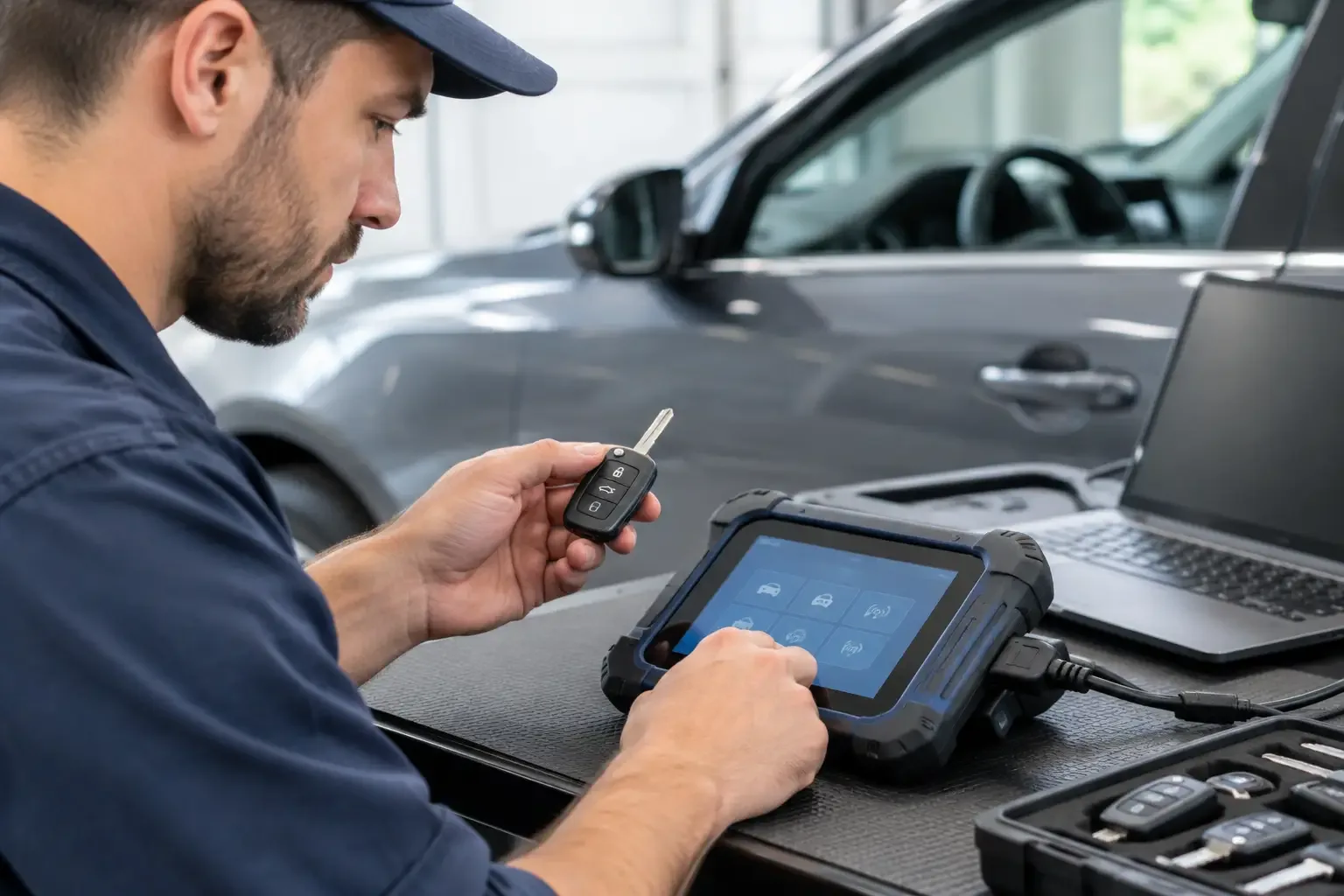
A properly equipped mobile locksmith can often cut and program a replacement key or fob at the vehicle. That is especially useful when the original key cannot be recovered. It also avoids arranging a tow and waiting at a dealership for a basic key solution.
When the Problem Is Not Just a Locked Door
Some situations look like a lockout but need a different fix. If your fob opens the doors but the vehicle will not start, the battery in the fob, the transponder chip, the vehicle battery, or the ignition system could be involved. If the key turns poorly or will not turn at all, forcing it can damage the ignition cylinder.
Tell the dispatcher exactly what happened. Mention whether the key is inside, missing, broken, bent, wet, or stuck in the ignition. Share the vehicle year, make, and model if you have it. Those details help the technician arrive with the correct equipment and give you a more accurate quote.
Why Local Mobile Help Matters in the Twin Cities
Minnesota weather changes the stakes. A lockout in mild weather is frustrating. A lockout during subzero temperatures, heavy rain, or a late-night snowstorm can become a safety issue quickly. Fast local coverage matters when you are stranded outside your vehicle at a grocery store, office complex, medical facility, or on the side of the road.
A Minneapolis-based provider knows the practical challenges of the metro: downtown ramps, controlled-access apartment buildings, suburban lots, and long winter nights. At 24/7 Key Clinic, mobile technicians serve Minneapolis, St. Paul, and the wider Twin Cities area around the clock, with an advertised 15-minute average response time. Actual arrival time depends on traffic, weather, distance, and technician availability, but the dispatch team should always give you a realistic expectation.
Local service also gives you someone accountable for the work. Look for a Minnesota-licensed, bonded, and insured locksmith that can explain the process in plain language. You should know who is coming, what service is being performed, and what it will cost before the technician is sent out.
What Affects the Price of a Car Lockout
There is no responsible single price for every vehicle lockout. The cost depends on the vehicle type, location, time of day, and whether the call only requires entry or also requires a new key. A straightforward daytime lockout with keys visible inside is different from replacing and programming a proximity fob for a late-model vehicle at 2 a.m.
Ask for upfront phone pricing that separates the service call from any additional key, fob, or programming work. If the locksmith cannot confirm the full cost until they inspect the vehicle, they should explain why and get your approval before doing extra work.
Be cautious with ads that promise unusually low starting prices but cannot give a clear total before arrival. A professional provider does not need to pressure you when you are stranded. Clear pricing is part of the service, not an afterthought.
What to Have Ready When You Call
The call goes faster when you can provide your exact location, vehicle year, make, model, and a callback number. If you are in a parking ramp or large lot, include the level, entrance, nearby business, or cross streets. Let the dispatcher know whether the vehicle is running, whether anyone is inside, and whether you have a working key but cannot access the car.
You will also need to show proof that you are authorized to access the vehicle. A driver’s license, registration, insurance card, rental agreement, or other ownership documentation may be used depending on the situation. If your documents are locked inside, explain that before dispatch. A legitimate locksmith will have a reasonable verification process rather than opening vehicles for anyone who asks.
Prevent the Next Lockout Without Overthinking It
Once you are back in your car, consider what caused the problem. If the fob battery is weak, replace it before it fails completely. If you only have one working key, having a spare made now is usually easier and less urgent than replacing all keys after one is lost. Keep the spare somewhere accessible, but not hidden inside the vehicle.
Drivers with push-button start systems should pay attention to low-battery warnings and intermittent fob response. Older metal keys deserve attention too. A key that is bent, cracked, or difficult to turn can fail at the worst possible time. Small warning signs are cheaper to address before they become a roadside emergency.
The next time a locked car interrupts your day, do not risk damage trying to solve it with makeshift tools. Stay safe, get a clear quote, and let a qualified local technician bring the right equipment to your vehicle. Help should feel calm and straightforward, even when the situation is not.