Broken Key Extraction Service When You Need It
By Keyclinic ·
Your key turns halfway, snaps, and suddenly the door, ignition, or deadbolt will not budge. A broken key extraction service gets the remaining piece out without turning a frustrating access problem into a damaged lock, stranded vehicle, or expensive replacement.
The first few minutes matter. Pushing another key into the keyway, probing with a screwdriver, or trying to force the lock can drive the broken piece farther in. If you are outside a home, business, or vehicle in the Twin Cities, step somewhere safe, keep the broken key pieces, and let a qualified mobile locksmith assess the lock on-site.
What to Do When a Key Breaks in a Lock
Stop turning the lock as soon as you feel unusual resistance. A key often breaks because the lock cylinder is dry, worn, frozen, misaligned, or under pressure from a door that has shifted. In a vehicle, the key itself may be worn or an ignition component may be binding.
If part of the key is still sticking out, resist the urge to pull it with pliers unless it comes free with almost no effort. Pliers can twist the fragment, score the keyway, or break off the exposed edge. If the piece is flush with the lock, do not insert glue, wire, bobby pins, or another key. Superglue is especially risky because it can permanently bond the fragment to internal lock parts.
Take a photo of the key and the lock if you can do so safely. If you have a spare key, keep it available for the locksmith, but do not use it in the lock until the broken piece has been removed. For a car key, bring any key fob or remote you have as well. That helps the technician determine whether a replacement needs cutting, programming, or both.
How a Broken Key Extraction Service Works
A professional extraction starts with identifying the lock type and checking where the key broke. A house deadbolt, storefront cylinder, mailbox lock, car door, and ignition each require a different approach. The goal is not simply to pull metal out. It is to remove the fragment while protecting the pins, wafers, springs, and cylinder housing that allow the lock to work.
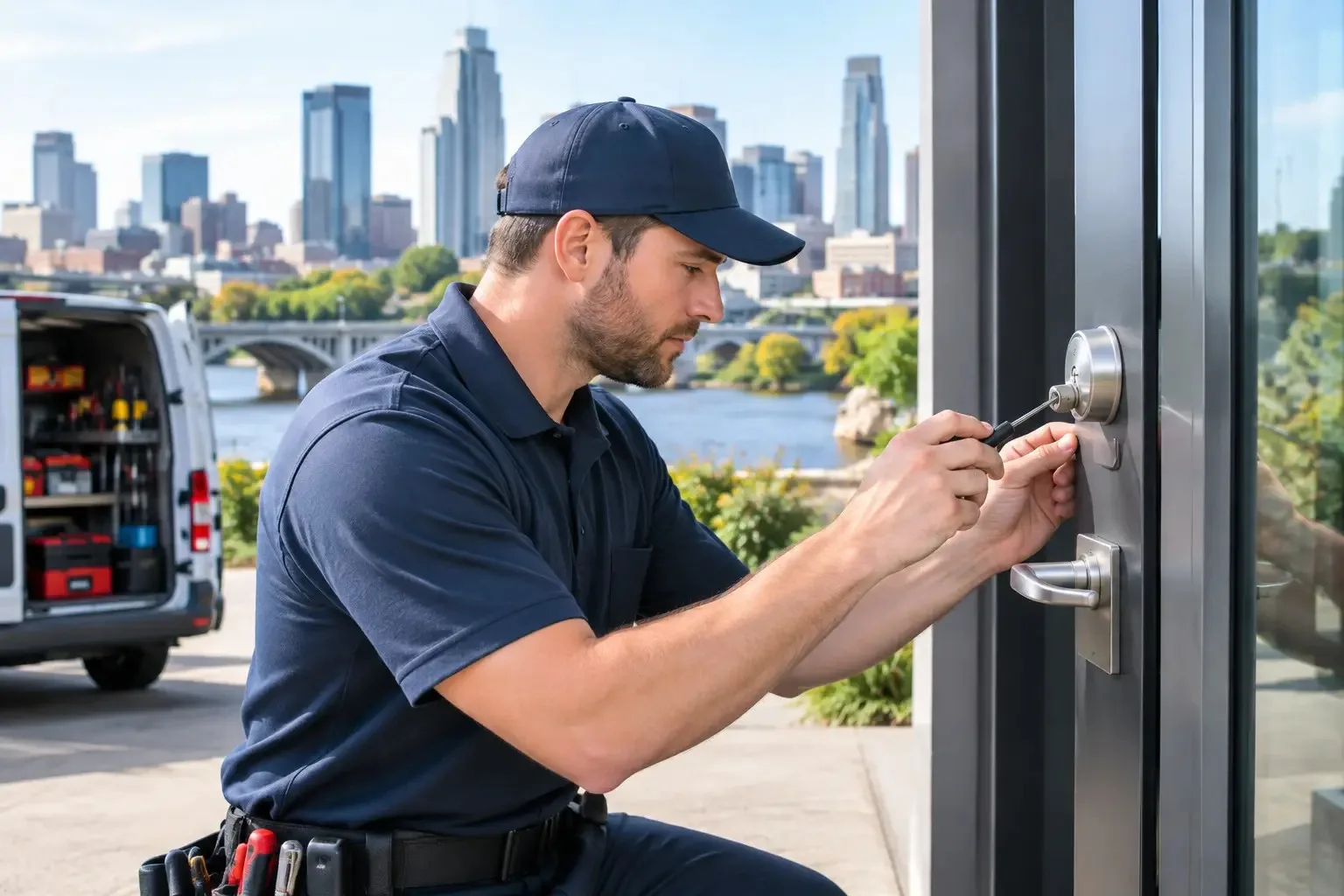
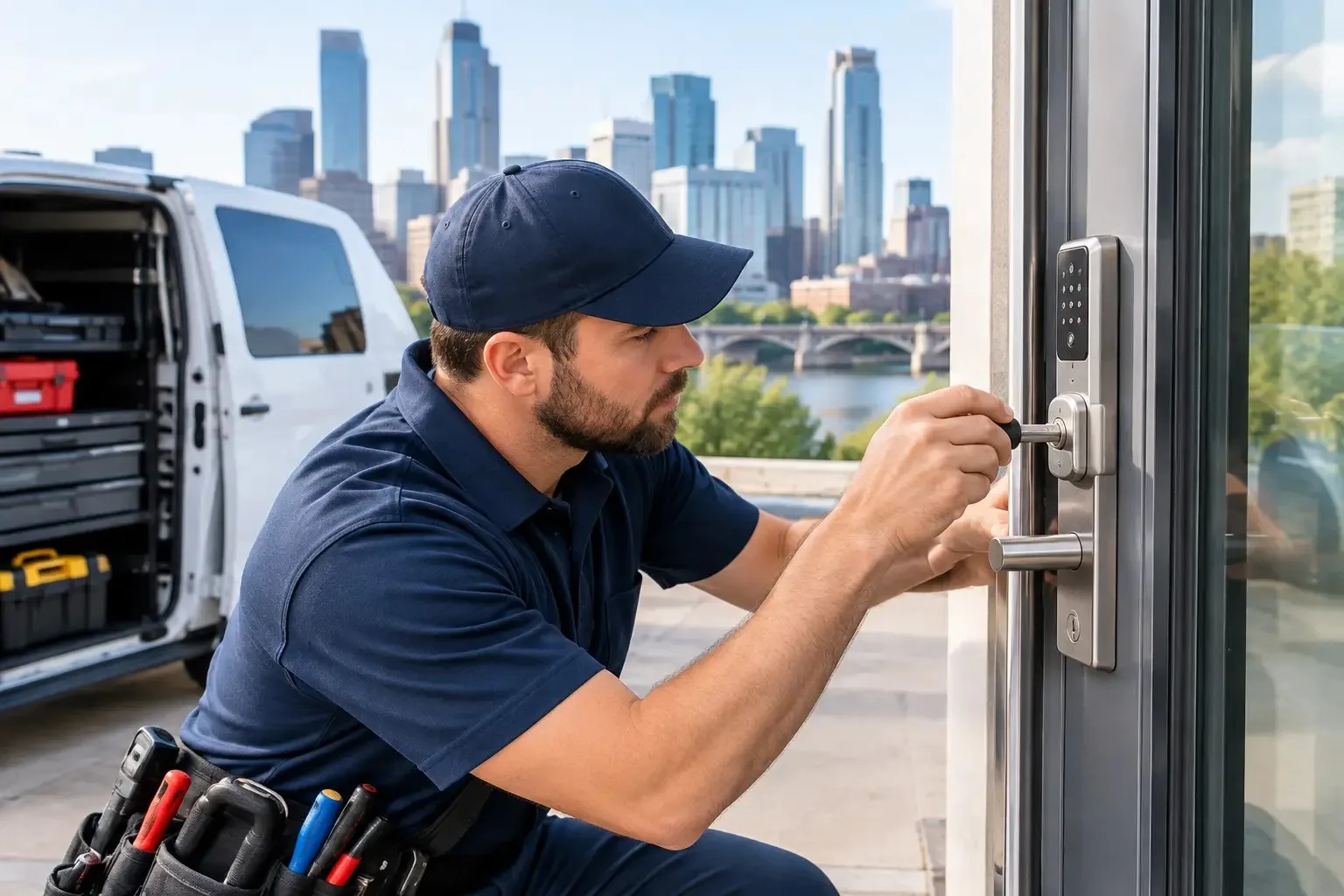
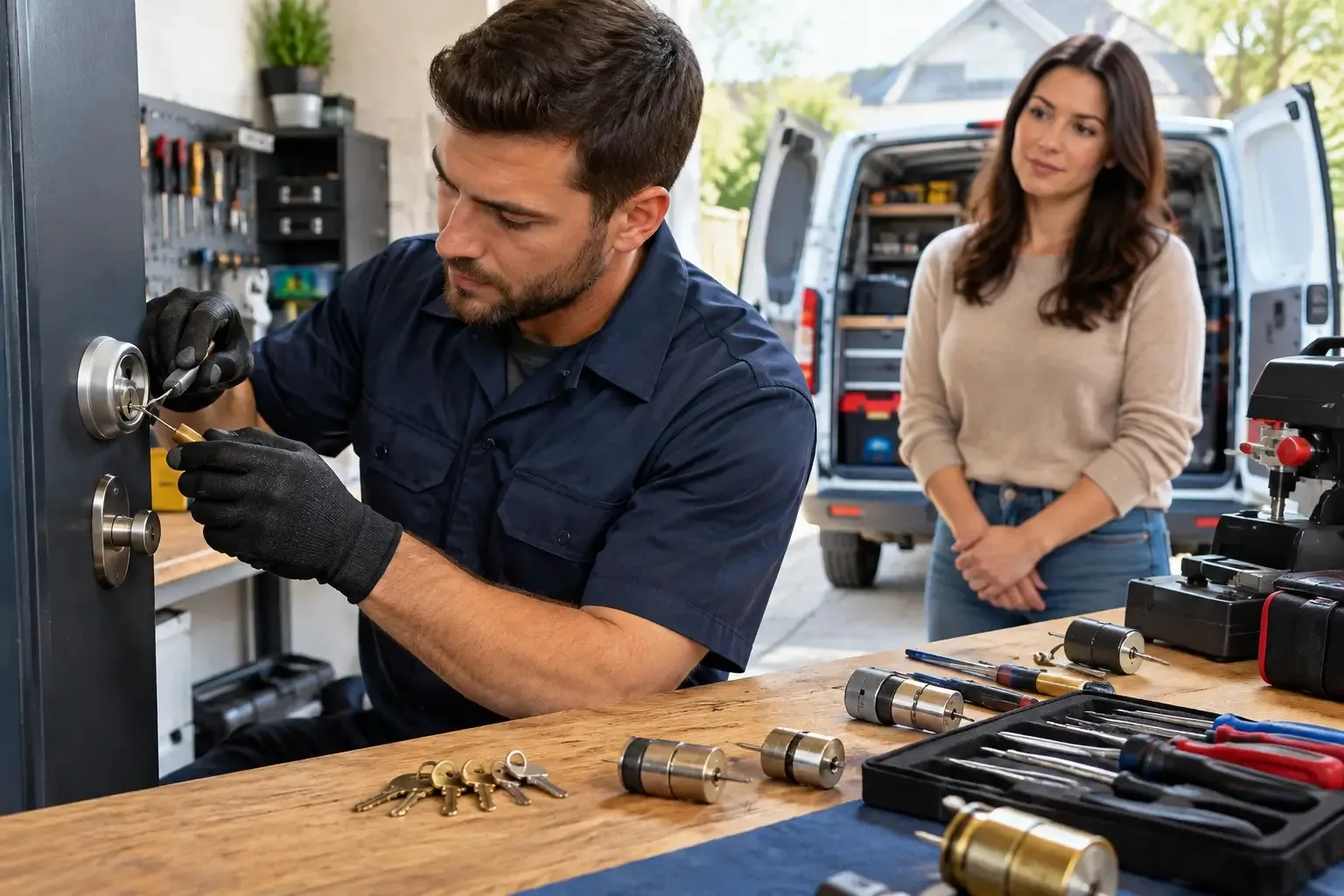
A mobile locksmith uses purpose-built extractors, fine picks, keyway tools, and lighting to reach the fragment. The technician may stabilize the plug, relieve pressure on the lock, and carefully hook or grip the broken key from behind. When the piece is removed, the lock is tested before a replacement key is cut.
If a cylinder is already damaged, extraction alone may not restore reliable operation. In that case, the locksmith should explain whether repair, rekeying, or replacement makes the most sense before doing additional work. That is a useful distinction: a clean key extraction can be quick, but a worn lock may still need attention to prevent another break next week.
House and apartment locks
A broken key in a home lock can leave you locked out, but it can also create a security concern if the door cannot lock afterward. A technician can extract the key, inspect the deadbolt or knob cylinder, and cut a new key on-site when the lock is serviceable.
Renters should contact their property manager when required by their lease, especially if the lock needs replacement. Homeowners have more flexibility, but should not assume a new key alone solves the underlying problem. If keys have started sticking, the lock may need servicing or rekeying.
Car doors and ignitions
Vehicle key extraction requires extra care. Modern car keys may include a transponder chip, a remote head, or a proximity fob system. Even when the metal blade breaks, the vehicle may still require programmed key components to start.
A key broken in the ignition is usually more urgent than a key broken in a door. Do not force the ignition cylinder or attempt to start the vehicle with the broken head of the key. Depending on the vehicle, a mobile locksmith can remove the fragment, cut a new blade, and program a replacement key or fob at your location. That can avoid a tow and a dealership wait.
Business and commercial locks
For a business, a broken key can interrupt opening procedures, restrict employee access, or leave a rear entry unsecured after closing. The right response depends on whether the affected key belongs to a standard cylinder, restricted keyway, panic-bar trim, cabinet, or master-key system.
Commercial property managers should share any access restrictions, door location, and master-key information before dispatch. This helps the locksmith arrive prepared while keeping control of who receives replacement keys. If the break was caused by a heavily used lock, consider whether a stronger commercial cylinder or a revised key-control plan is warranted.
Why Keys Break in the First Place
Keys rarely break without warning. Common causes include worn brass, a duplicate cut from another duplicate, a bent blade, a dirty cylinder, a frozen exterior lock, or a door that needs to be pushed or pulled before the bolt will turn. Older vehicle keys can weaken after years of twisting in a tight ignition.
Weather plays a role in Minnesota, too. Extreme cold can make existing lock problems show up fast. Moisture can freeze inside an exterior lock, while road salt and winter grime can affect vehicle door hardware. Spraying the wrong lubricant into a lock may attract more debris over time, so it is better to have a sticking lock evaluated than to keep forcing it.
Replacing a visibly worn key early is cheaper and easier than extracting it after it breaks. If one key is bent or rough at the edges, avoid copying that damaged key. A locksmith can originate a clean replacement from the lock code or an appropriate existing key, depending on the situation.
What Affects the Cost and Timing
The price of broken key removal depends on where it broke, the lock type, the condition of the cylinder, and whether you need a new key, programming, rekeying, or lock replacement afterward. An accessible residential lock with an intact cylinder is different from a late-night ignition extraction on a vehicle that needs a programmed transponder key.
Ask for the total service price before a technician is dispatched. A clear quote should account for the service call and the expected extraction work, while also explaining what could change if the lock is found to be damaged or if a replacement key is needed. No honest locksmith can promise every lock will be repairable before inspecting it, but you should not be surprised by vague pricing.
Response time also depends on traffic, weather, and technician availability. For an urgent lockout, give the dispatcher your precise location, the type of lock, whether the key is broken flush, and whether you have a spare. Those details can prevent delays and help the technician bring the right equipment.
Choose a Locksmith Who Can Finish the Job On-Site
Extraction is only the first step if you still cannot enter your property or start your car. Look for a mobile locksmith that can handle the follow-up work where you are: cutting keys, programming eligible vehicle keys and fobs, rekeying a home lock, or replacing a damaged commercial cylinder.
For Twin Cities emergencies, 24/7 Key Clinic sends licensed, bonded, and insured mobile technicians to homes, vehicles, and businesses. Upfront phone pricing and on-site service matter when you are standing in a parking ramp, outside your front door after dark, or trying to open a business for the day.
A Broken Key Does Not Have to Become a Broken Lock
The best immediate move is simple: stop forcing the lock, keep the pieces, and get help before a small fragment creates internal damage. Once the key is out, address the reason it broke. A fresh key, a properly serviced cylinder, or a replacement lock can spare you the same emergency on the next cold morning or late-night drive home.